

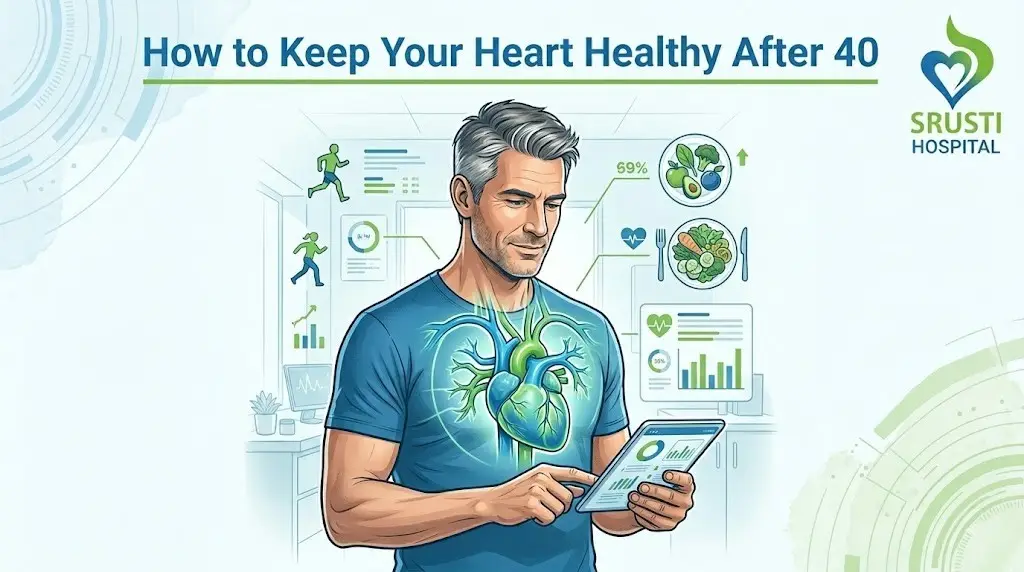
How to Keep Your Heart Healthy After 40
As people grow older, the heart and blood vessels naturally undergo changes. After the age of 40, the risk of high blood pressure, cholesterol problems, diabetes, and heart disease gradually increases.
However, with healthy habits and regular medical care, it is possible to maintain good heart health and reduce the risk of serious complications.
Why Heart Health Becomes More Important After 40
After 40, the body’s metabolism slows down, and unhealthy lifestyle habits may begin to affect overall health more noticeably.
Several factors can increase the risk of heart disease, including:
- High blood pressure
- High cholesterol
- Diabetes
- Smoking
- Obesity
- Stress
- Lack of physical activity
- Family history of heart disease
Therefore, taking preventive steps early is very important.
Maintain a Heart-Healthy Diet
Food plays a major role in keeping the heart healthy. A balanced diet helps control blood pressure, cholesterol, and body weight.
You should try to include:
- Fresh fruits and vegetables
- Whole grains
- Lean proteins
- Nuts and seeds
- Healthy fats such as olive oil
At the same time, it is important to reduce:
- Fried foods
- Excess salt
- Sugary drinks
- Processed foods
- Excessive red meat
In addition, drinking enough water supports overall circulation and heart function.
Stay Physically Active
Regular exercise strengthens the heart and improves blood circulation.
Even moderate physical activity can make a big difference. Adults over 40 should aim for at least 30 minutes of exercise most days of the week.
Helpful activities include:
- Walking
- Cycling
- Swimming
- Yoga
- Light strength training
Exercise can also help reduce stress and improve sleep quality.
Monitor Blood Pressure and Cholesterol
High blood pressure and cholesterol often develop silently without obvious symptoms. Because of this, regular health checkups are essential.
Routine monitoring helps detect problems early and prevents complications such as:
- Heart attack
- Stroke
- Kidney disease
- Blood vessel damage
If levels are abnormal, doctors may recommend lifestyle changes or medication.

Maintain a Healthy Weight
Excess body weight increases pressure on the heart and raises the risk of diabetes and hypertension.
Simple habits that support healthy weight management include:
- Portion control
- Regular exercise
- Avoiding late-night overeating
- Choosing healthier snacks
Even small weight loss can improve heart health significantly.
Manage Stress Effectively
Long-term stress may negatively affect blood pressure and heart function.
Stress can also lead to unhealthy habits such as overeating, smoking, or poor sleep.
To manage stress, you can try:
- Meditation
- Deep breathing exercises
- Spending time with family
- Hobbies and relaxation activities
- Regular physical activity
In addition, taking proper rest helps the body recover and function better.
Avoid Smoking and Limit Alcohol
Smoking damages blood vessels and significantly increases the risk of heart disease.
Similarly, excessive alcohol intake may raise blood pressure and weaken heart muscles over time.
Quitting smoking and limiting alcohol consumption can greatly improve long-term heart health.
Get Quality Sleep
Poor sleep can affect blood pressure, stress hormones, and overall heart function.
Adults should aim for 7 to 8 hours of good-quality sleep every night.
Signs of poor sleep may include:
- Daytime fatigue
- Loud snoring
- Difficulty concentrating
- Frequent waking during the night
If sleep problems continue, medical evaluation may be necessary.
Watch for Warning Signs
Heart problems do not always appear suddenly. Sometimes the body gives early warning signs that should never be ignored.
Seek medical attention if you experience:
- Chest pain or discomfort
- Shortness of breath
- Unusual fatigue
- Dizziness
- Swelling in the legs
- Irregular heartbeat
Early diagnosis can help prevent serious complications.
Importance of Regular Health Checkups
Regular medical checkups become increasingly important after 40.
Routine screenings may include:
- Blood pressure testing
- Cholesterol testing
- Blood sugar testing
- ECG or heart evaluation
These tests help identify risk factors before major problems develop.
Book Your Consultation
Taking care of your heart after 40 is one of the most important steps toward a healthier future. Early screening, healthy lifestyle choices, and regular medical care can greatly reduce the risk of heart disease. Book a consultation today for expert healthcare guidance.
 Address: Plot No. 9, Kathagola, Ring Rd, Mangalabag, Cuttack, Odisha 753001
 Call: +91 73810 62525
 Landline: 0671-2319600
 Email: info@srustihospital.com
 Website: srustihospital.com
A healthy heart supports a healthier and more active life at every age. Small daily lifestyle changes today can make a lasting difference for your future well-being.
