

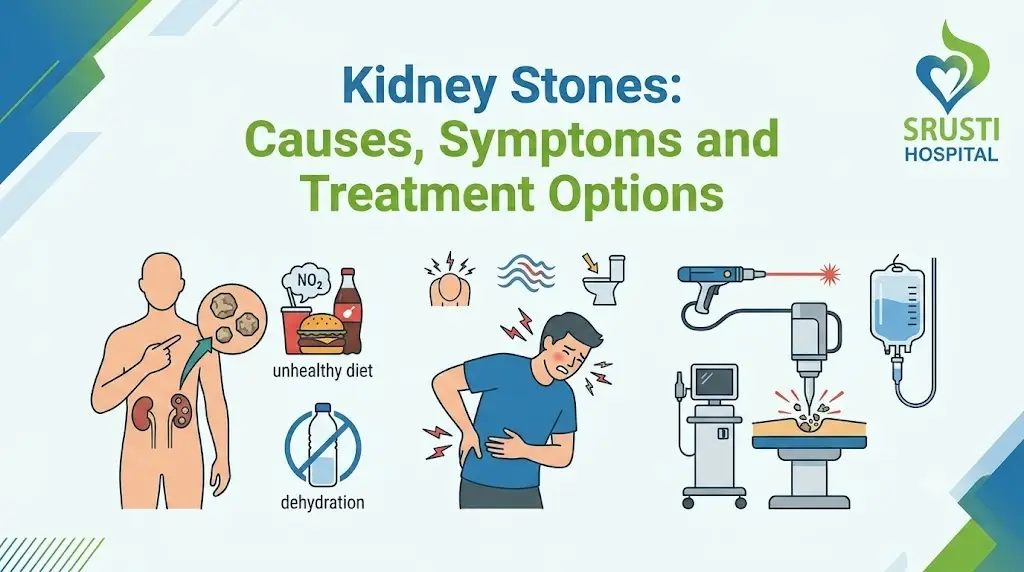
Kidney Stones are a common urinary tract condition that develops when minerals and salts build up inside the kidneys. Understanding Kidney Stone Causes and recognizing Kidney Stone Symptoms early can help prevent serious complications and reduce discomfort. With timely Kidney Stone Treatment and effective Kidney Stone Prevention strategies, most people can recover successfully and lower the risk of developing kidney stones again.
Kidney stones are a common urinary health problem that can cause severe pain and discomfort. They develop when certain minerals and salts in the urine become highly concentrated and form hard deposits inside the kidneys.
While small kidney stones may pass through the urinary tract without causing major problems, larger stones can block urine flow and lead to intense pain or other complications. Therefore, understanding the causes, symptoms, and treatment options can help individuals seek timely medical care and protect their kidney health.
What Are Kidney Stones?
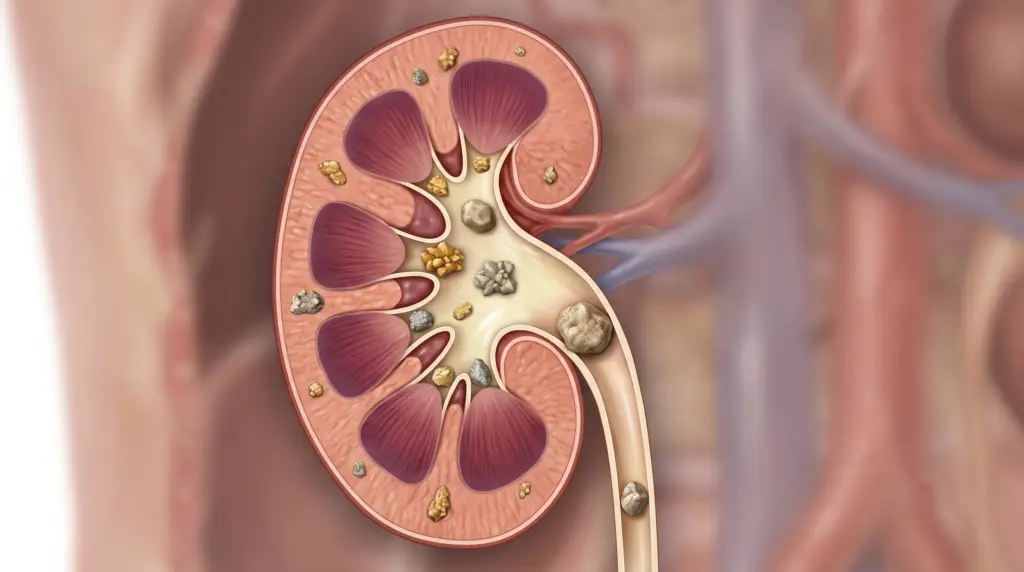
Kidney stones are hard deposits made from minerals and other substances present in the urine. They usually form inside the kidneys but may travel through the urinary tract.
Kidney stones can vary in size. Some may be as small as a grain of sand, while others can grow much larger.
When a stone moves from the kidney into the ureter, it may cause severe pain and difficulty passing urine.
How Do Kidney Stones Form?
Kidney stones develop when urine contains high levels of certain stone-forming substances. These substances may form crystals and gradually join together to create a stone.
The process may be more likely when a person does not drink enough fluids. As a result, the urine becomes more concentrated.
Common substances involved in kidney stone formation include:
- Calcium
- Oxalate
- Uric acid
- Phosphate
- Cystine
Therefore, maintaining proper hydration plays an important role in reducing the risk of kidney stone formation.
Common Causes of Kidney Stones
Several factors may increase the risk of developing kidney stones.
Common causes and risk factors include:
- Drinking insufficient water
- Frequent dehydration
- High salt intake
- Certain dietary habits
- Family history of kidney stones
- Obesity
- Certain digestive conditions
- Urinary tract abnormalities
- Some medical conditions
- Certain medications
However, the exact cause may vary from person to person. A medical evaluation can help identify possible factors responsible for repeated kidney stones.
Types of Kidney Stones
Kidney stones are classified according to the substances that form them.
Common types include:
Calcium Stones
These are the most common type of kidney stones. They are often made of calcium oxalate or calcium phosphate.
Uric Acid Stones
These stones may develop when urine contains high levels of uric acid.
Struvite Stones
Struvite stones can be associated with urinary tract infections and may grow quickly.
Cystine Stones
These stones are less common and may occur in people with a rare inherited condition that causes excess cystine in the urine.
Identifying the type of stone can help doctors recommend suitable treatment and preventive measures.
Common Symptoms of Kidney Stones
Small kidney stones may not always cause noticeable symptoms. However, symptoms can develop when a stone moves through the urinary tract or blocks urine flow.
Common symptoms include:
- Severe pain in the side or back
- Pain that may move towards the lower abdomen or groin
- Pain that comes and goes in waves
- Blood in the urine
- Pain or burning while urinating
- Frequent urge to urinate
- Passing small amounts of urine
- Cloudy or foul-smelling urine
- Nausea and vomiting
Because kidney stone symptoms may resemble other urinary conditions, proper diagnosis is essential.
Warning Signs That Require Medical Attention
Certain symptoms may indicate a blockage, infection, or another serious problem.
Seek medical attention if you experience:
- Severe or persistent pain
- Fever and chills
- Blood in the urine
- Persistent vomiting
- Difficulty passing urine
- Inability to urinate
- Severe weakness or dehydration
Early medical care can help manage pain and reduce the risk of further complications.
Who Is at Higher Risk of Kidney Stones?
Although kidney stones can affect anyone, certain individuals may have a higher risk.
These include:
- People who frequently become dehydrated
- Individuals with a family history of kidney stones
- People who have previously had kidney stones
- Individuals with certain digestive disorders
- People with some metabolic conditions
- Individuals following certain high-salt dietary patterns
In addition, people living in hot climates may lose more fluids through sweating. Therefore, adequate hydration is especially important.
How Kidney Stones Are Diagnosed
Doctors diagnose kidney stones based on symptoms, medical history, physical examination, and diagnostic investigations.
Common tests may include:
- Urine tests
- Blood tests
- Ultrasound
- CT scan
- Other imaging investigations when necessary
Urine tests may help detect blood, minerals, or signs of infection. Meanwhile, imaging tests can help identify the size and location of the stone.
An accurate diagnosis allows doctors to select the most appropriate treatment option.
Treatment Options for Kidney Stones
Treatment for kidney stones depends on several factors, including the size, location, and type of stone.
Small stones may pass naturally through the urinary tract. However, larger stones or stones causing blockage and severe pain may require medical procedures.
Treatment options may include:
- Adequate fluid intake
- Pain management under medical guidance
- Medicines to manage nausea
- Certain medicines that may help selected stones pass
- Medical procedures to break or remove stones
- Hospital care in severe cases
Therefore, treatment should always be planned according to the patient’s individual condition.
Treatment for Small Kidney Stones
Small kidney stones may pass naturally in the urine.
Doctors may recommend:
- Drinking adequate fluids
- Taking prescribed pain-relief medicines
- Using medicines for nausea when required
- Monitoring symptoms
- Follow-up investigations
However, patients should avoid self-medication and follow medical advice carefully.
Medical Procedures for Larger Kidney Stones
Larger kidney stones may not pass naturally and can sometimes block the urinary tract.
Depending on the stone, doctors may recommend procedures such as:
- Shock wave lithotripsy
- Ureteroscopy
- Percutaneous nephrolithotomy
- Other surgical procedures when necessary
Shock wave lithotripsy uses shock waves to break stones into smaller pieces. In contrast, ureteroscopy uses a thin instrument to locate and treat stones within the urinary tract.
The appropriate procedure depends on the size, location, and complexity of the kidney stone.
Importance of Hydration in Kidney Stone Prevention
Drinking enough fluids is one of the most important ways to reduce the risk of kidney stones.
Adequate hydration helps dilute the urine and reduces the concentration of substances that may form stones.
Helpful hydration habits include:
- Drinking water regularly throughout the day
- Increasing fluid intake during hot weather
- Drinking additional fluids during physical activity
- Avoiding prolonged dehydration
- Monitoring urine colour
Generally, pale-coloured urine may indicate better hydration. However, people who have been advised to restrict fluids because of another medical condition should follow their doctor’s guidance.
Dietary Habits That May Help Prevent Kidney Stones
Dietary recommendations may vary depending on the type of kidney stone.
However, general healthy habits may include:
- Reducing excessive salt intake
- Drinking adequate water
- Maintaining a balanced diet
- Avoiding excessive intake of certain foods when advised
- Following personalised dietary recommendations
- Maintaining a healthy body weight
Importantly, patients should not make major dietary restrictions without medical guidance. The type of kidney stone should be considered before making specific dietary changes.
Can Kidney Stones Come Back?
Yes, kidney stones can recur in some individuals.
People who have previously developed kidney stones may be at risk of developing another stone in the future. Therefore, preventive care and follow-up are important.
Doctors may recommend:
- Regular hydration
- Dietary changes
- Urine investigations
- Blood tests
- Stone analysis
- Preventive medicines in selected cases
Identifying the cause of kidney stone formation can help reduce the risk of recurrence.
What Should Be Avoided During Kidney Stone Problems?
Certain habits may worsen symptoms or delay proper treatment.
Patients should avoid:
- Ignoring severe pain
- Delaying medical consultation
- Frequent dehydration
- Excessive salt intake
- Taking medicines without medical advice
- Ignoring fever or urinary problems
Timely medical evaluation is especially important when symptoms are severe or accompanied by fever and chills.
When Should You Consult a Doctor?
Medical attention should be sought if:
- Severe pain develops in the side or back
- Blood appears in the urine
- Pain occurs while urinating
- Fever or chills develop
- Vomiting continues
- Urine output decreases significantly
- Symptoms repeatedly return
Early diagnosis can help identify the size and location of the kidney stone and guide suitable treatment.
Recovery and Follow-Up Care
Recovery depends on the size of the kidney stone and the treatment provided.
To support recovery:
- Drink adequate fluids as advised
- Take prescribed medicines correctly
- Attend follow-up appointments
- Follow dietary recommendations
- Monitor urinary symptoms
- Seek medical help if symptoms worsen
In addition, patients with recurring kidney stones may require further investigations to identify possible underlying causes.
Book Your Consultation
Kidney stones can cause severe pain and urinary problems, but timely diagnosis and appropriate treatment can help manage the condition effectively. While some small stones may pass naturally, larger stones may require medical procedures or specialised care.
Address: Plot No. 9, Kathagola, Ring Rd, Mangalabag, Cuttack, Odisha 753001
 Call: +91 73810 62525
 Landline: 0671-2319600
 Email: info@srustihospital.com
 Website: srustihospital.com
By staying properly hydrated, following healthy dietary habits, and seeking medical care when symptoms appear, individuals can reduce the risk of kidney stone complications and support better urinary health.
