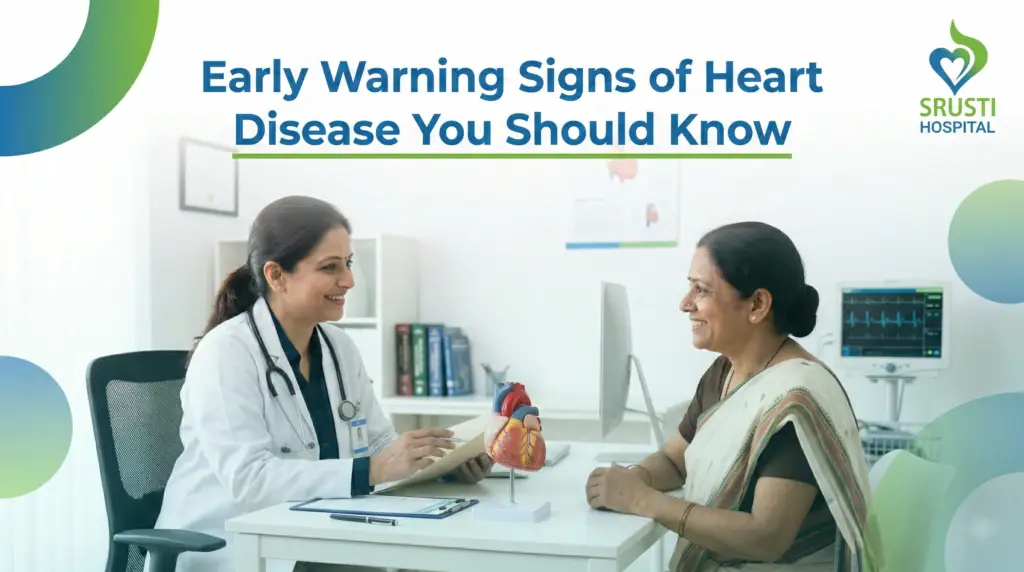
Heart disease remains one of the leading causes of serious health complications worldwide. While many people associate heart problems with sudden chest pain, the early warning signs are often subtle and easy to overlook. Recognizing these symptoms early can help prevent severe complications such as heart attacks or heart failure.
1️⃣ Chest Discomfort or Pain
Chest pain, pressure, tightness, or a burning sensation is one of the most common signs of heart disease. It may occur during physical activity or even at rest. Some people describe it as a heavy weight on the chest.
2️⃣ Shortness of Breath
Difficulty breathing, especially during mild activity or while lying down, can indicate reduced heart function. If breathlessness occurs suddenly or worsens over time, medical evaluation is essential.
3️⃣ Unusual Fatigue
Persistent or unexplained fatigue can be an early sign of heart disease, particularly in women. Feeling exhausted after simple daily activities may signal reduced blood flow to vital organs.
4️⃣ Pain in the Arms, Neck, Jaw, or Back
Heart-related pain is not always limited to the chest. Discomfort may radiate to the left arm, shoulders, neck, jaw, or upper back. This symptom should never be ignored.
5️⃣ Swelling in Legs, Ankles, or Feet
Fluid retention in the lower body may indicate that the heart is not pumping effectively. Swelling combined with shortness of breath requires immediate medical attention.
6️⃣ Irregular Heartbeat
Palpitations, fluttering sensations, or rapid heartbeats can be signs of underlying cardiac rhythm disorders.
When Should You See a Doctor?
If you experience any of these symptoms, especially chest pain or severe breathlessness, seek medical attention immediately. Early diagnosis through ECG, stress testing, and cardiac evaluation can significantly reduce complications.
