

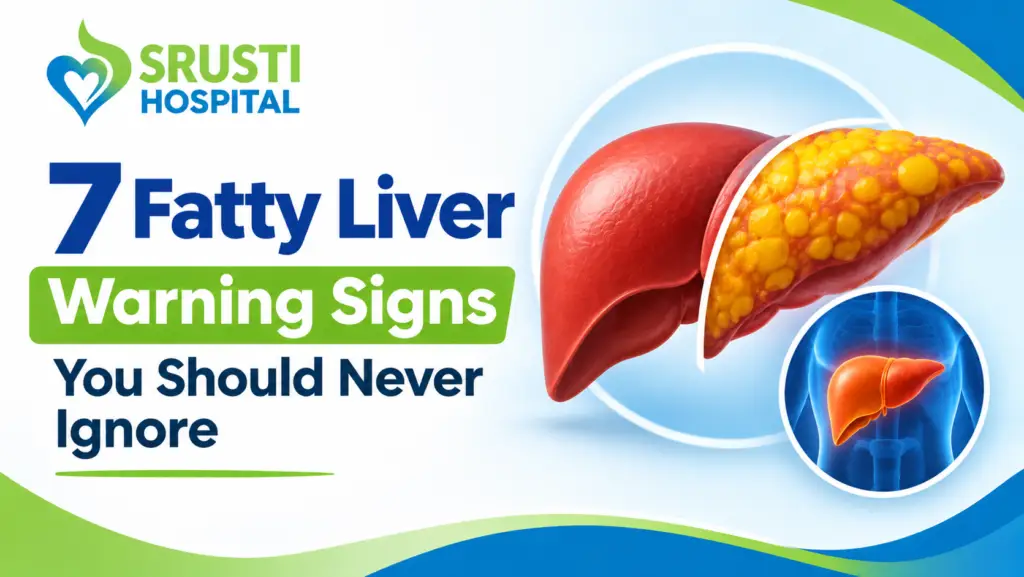
Fatty liver disease is becoming an important health concern among adults. It occurs when excess fat accumulates in the liver and may be associated with metabolic health conditions, including obesity, type 2 diabetes and abnormal cholesterol levels.
One of the biggest challenges is that fatty liver disease often develops without noticeable symptoms. Many people discover the condition during routine blood tests or abdominal imaging performed for other reasons.
Early awareness, medical evaluation and appropriate lifestyle changes can help manage the condition and reduce the risk of complications.
What Is Fatty Liver Disease?
Fatty liver disease occurs when excessive fat accumulates in liver cells.
The condition associated with metabolic risk factors is now commonly known as metabolic dysfunction-associated steatotic liver disease (MASLD), previously called non-alcoholic fatty liver disease (NAFLD).
In some individuals, fat accumulation may be associated with liver inflammation and damage. This more serious form is known as metabolic dysfunction-associated steatohepatitis (MASH).
Without appropriate management, some cases can progress to liver scarring, known as fibrosis, and eventually cirrhosis.
7 Important Signs of Fatty Liver Disease
Fatty liver disease may not produce noticeable symptoms in its early stages. However, some individuals may experience the following:
1. Persistent Fatigue
Unusual tiredness or low energy may occur in some people with fatty liver disease.
Persistent fatigue can have several causes, so it is important not to assume that it is related to liver problems without medical evaluation.
2. Discomfort in the Upper Right Abdomen
Some individuals experience mild discomfort or a feeling of fullness below the right side of the ribs, where the liver is located.
Persistent or unexplained abdominal discomfort should be assessed by a healthcare professional.
3. Unexplained Abdominal Discomfort
Occasional discomfort in the upper abdomen may require medical evaluation, particularly when it persists or occurs alongside other symptoms.
4. Increased Waist Circumference
Excess abdominal fat is associated with metabolic risk factors that can increase the likelihood of fatty liver disease.
Maintaining a healthy weight and waist circumference can support better metabolic health.
5. Abnormal Liver Function Test Results
Elevated liver enzymes may sometimes be detected during routine blood investigations.
However, abnormal liver function test results do not automatically confirm fatty liver disease. Further assessment may be necessary.
6. Symptoms Associated With Advanced Liver Disease
In advanced cases, symptoms may include swelling in the abdomen or legs, yellowing of the skin or eyes, easy bruising and other signs of impaired liver function.
These symptoms require prompt medical evaluation.
7. No Noticeable Symptoms
Many people with fatty liver disease do not experience any symptoms, particularly during the early stages.
This is why risk assessment and appropriate medical investigations are important, even when someone feels healthy.
What Causes Fatty Liver Disease?
Several factors may increase the risk of developing metabolic fatty liver disease.
1. Overweight or Obesity
Excess body fat, particularly around the abdomen, is associated with an increased risk of fat accumulation in the liver.
2. Type 2 Diabetes
Insulin resistance and elevated blood glucose levels can contribute to metabolic changes associated with fatty liver disease.
3. High Cholesterol and Triglycerides
Abnormal blood lipid levels may increase the risk of developing fatty liver disease.
4. Metabolic Syndrome
A combination of abdominal obesity, high blood pressure, elevated blood sugar and abnormal cholesterol levels can increase the risk.
5. Physical Inactivity
A sedentary lifestyle can contribute to weight gain and insulin resistance, both of which are associated with fatty liver disease.
Having one or more risk factors does not automatically mean you have fatty liver disease. Medical assessment is required.
How Is Fatty Liver Disease Diagnosed?
Doctors may recommend investigations based on medical history, physical examination and individual risk factors.
Common diagnostic approaches include:
1. Liver Function Tests
Blood tests may help evaluate liver enzymes and other indicators of liver health.
2. Abdominal Ultrasound
Ultrasound imaging may help identify fat accumulation in the liver.
3. Fibrosis Assessment
Non-invasive assessments, including elastography where appropriate, may help evaluate the possibility of liver scarring.
4. Additional Investigations
Further blood tests or specialised imaging may be recommended to investigate other liver conditions and assess disease severity.
No single blood test or ultrasound result provides a complete assessment of every aspect of liver health.
5 Lifestyle Changes That May Help Manage Fatty Liver
Lifestyle management plays an important role in managing metabolic fatty liver disease.
1. Maintain a Healthy Weight
If you are overweight, gradual and medically appropriate weight reduction may help reduce fat accumulation in the liver.
Avoid crash diets or extreme weight-loss programmes.
2. Follow a Balanced Diet
Include vegetables, fruits, whole grains, legumes and other nutritious foods.
Limit highly processed foods, sugar-sweetened beverages and excess added sugars.
3. Exercise Regularly
Walking, cycling and other suitable physical activities can support metabolic health and liver function.
Aim for regular physical activity according to your fitness level and medical advice.
4. Manage Diabetes and Cholesterol
Regular monitoring and appropriate treatment of blood sugar and cholesterol levels can help manage associated risk factors.
5. Avoid Unsupervised Supplements
Some herbal products and supplements may harm the liver.
Always consult a healthcare professional before taking supplements or alternative remedies.
Can Fatty Liver Disease Be Reversed?
In many people, particularly during earlier stages, reducing liver fat through appropriate lifestyle changes can improve liver health.
However, the possibility of improvement depends on the degree of liver damage and the presence of fibrosis or cirrhosis.
Following medical advice, managing associated conditions and attending recommended follow-up appointments are important for long-term liver health.
When Should You Consult a Doctor?
Consult a doctor if you have persistent upper abdominal discomfort, unexplained fatigue, abnormal liver test results or risk factors such as obesity and type 2 diabetes.
Seek prompt medical attention if you notice yellowing of the eyes or skin, significant abdominal swelling or other concerning symptoms.
Do not rely on symptoms alone to determine whether your liver is healthy.
Liver Health and Medical Care at Srusti Hospital
Maintaining liver health requires awareness, early evaluation and appropriate medical guidance.
Srusti Hospital provides multispeciality healthcare services with diagnostic facilities and experienced medical professionals to support patients with different health concerns.
If you have concerns about fatty liver disease or abnormal liver test results, consult a qualified healthcare professional for an individual assessment.
Take a step towards better liver health through early diagnosis, healthy lifestyle choices and regular medical guidance.
About Srusti Hospital
Srusti Hospital
Plot No. 9, Kathagola, Ring Rd, Mangalabag, Cuttack, Odisha 753001
Phone: +91 73810 62525 | 0671-2319600
Email: contact@srustihospitals.com
At Srusti Hospital, we are committed to providing quality healthcare through advanced medical technology, experienced professionals and compassionate patient care.
Your health deserves expert attention. Contact Srusti Hospital for appointments and healthcare assistance.
Multispeciality Hospital | Cuttack, Odisha
