

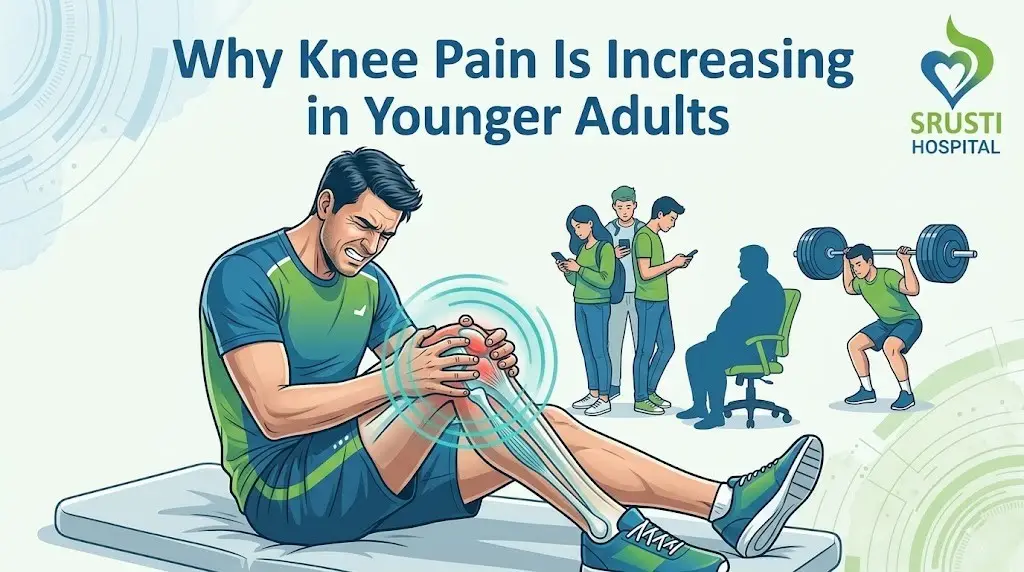
Why Knee Pain Is Increasing in Younger Adults
Knee pain is no longer a problem seen only in older adults. Today, many young people in their 20s and 30s are also experiencing knee discomfort, stiffness, and joint pain.
Modern lifestyle habits, lack of physical activity, obesity, sports injuries, and long hours of sitting are some of the major reasons behind this growing problem.
If ignored for a long time, knee pain can affect mobility, daily activities, and overall quality of life.
Common Causes of Knee Pain in Young Adults
Several factors can contribute to knee pain at a younger age.
Some of the most common causes include:
- Lack of regular exercise
- Obesity or sudden weight gain
- Poor posture
- Sports injuries
- Long hours of sitting
- Excessive gym workouts
- Weak muscles around the knee
- Vitamin deficiencies
In many cases, a combination of these factors may gradually damage the knee joint.
Sedentary Lifestyle and Long Sitting Hours
One major reason for increasing knee pain is a sedentary lifestyle.
Many young adults spend long hours:
- Working on computers
- Using mobile phones
- Sitting at desks
- Driving for extended periods
As a result, muscles around the knees become weak and stiff. Poor flexibility can increase stress on the joints and lead to pain over time.
Obesity Increases Pressure on the Knees
Excess body weight puts additional pressure on the knee joints.
Even small weight gain can increase strain while:
- Walking
- Climbing stairs
- Running
- Standing for long periods
Over time, this pressure may damage cartilage and cause inflammation in the knees.
Therefore, maintaining a healthy body weight is important for joint health.
Sports and Gym-Related Injuries
While physical activity is beneficial, improper exercise techniques may sometimes lead to injuries.
Young adults commonly develop knee pain due to:
- Sudden intense workouts
- Improper warm-up
- Overtraining
- Incorrect running posture
- Heavy weightlifting without guidance
Sports injuries involving ligaments, tendons, or cartilage can also contribute to long-term knee problems if not treated properly.
Weak Muscles and Poor Flexibility
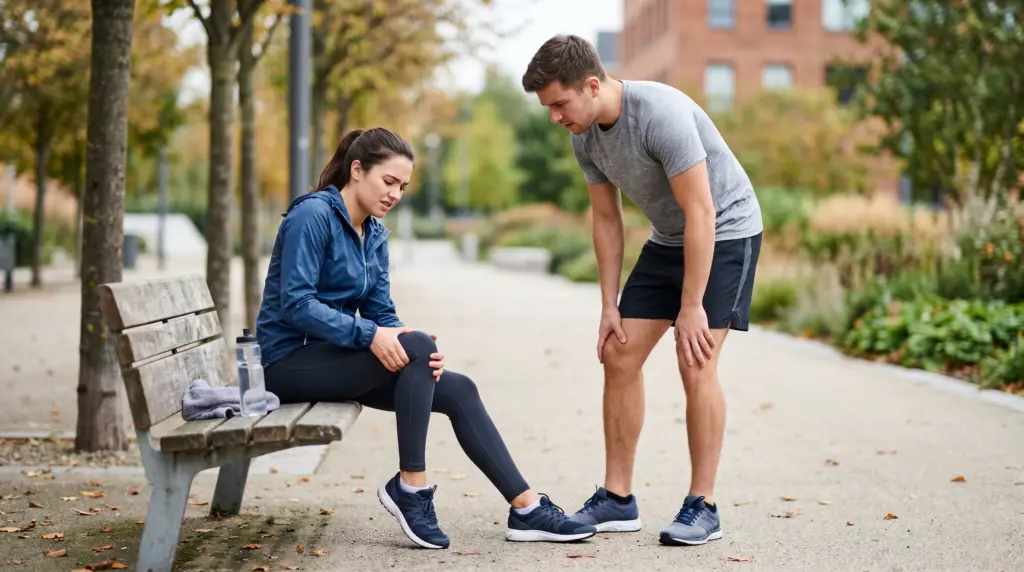
The muscles surrounding the knees help support and stabilize the joint.
When thigh and leg muscles become weak, the knees experience greater strain during movement.
Poor flexibility may also lead to:
- Joint stiffness
- Difficulty bending the knees
- Increased risk of injury
Regular stretching and strengthening exercises can help improve knee support.
Vitamin Deficiencies and Bone Health
Deficiencies of Vitamin D and calcium are becoming increasingly common among younger adults.
Low vitamin levels may weaken bones and muscles, contributing to:
- Joint pain
- Muscle weakness
- Bone discomfort
- Increased injury risk
Limited sunlight exposure and unhealthy diets are often responsible for these deficiencies.
Poor Footwear and Posture
Improper footwear can affect body alignment and place extra pressure on the knees.
High heels, unsupportive shoes, or worn-out footwear may contribute to knee strain.
Similarly, poor posture while standing, walking, or exercising can gradually affect joint health.
Early Signs That Should Not Be Ignored
Many people ignore mild knee pain until it becomes severe.
However, early symptoms may include:
- Pain while climbing stairs
- Clicking sounds in the knee
- Swelling around the joint
- Stiffness after sitting
- Difficulty squatting
- Pain during exercise
Early medical attention can help prevent further joint damage.
Tips to Protect Knee Health
Fortunately, several lifestyle changes can help reduce knee pain and improve joint health.
Helpful measures include:
- Maintaining healthy body weight
- Exercising regularly
- Strengthening leg muscles
- Stretching before workouts
- Using proper footwear
- Avoiding prolonged sitting
- Eating a balanced diet rich in calcium and Vitamin D
In addition, proper rest and recovery are important after physical activity.
When to Consult a Doctor
You should consult a doctor if knee pain:
- Lasts for several weeks
- Causes swelling or redness
- Makes walking difficult
- Occurs after an injury
- Worsens with movement
- Affects daily activities
Early diagnosis helps identify the underlying cause and allows proper treatment before complications develop.
Book Your Consultation
Persistent knee pain should never be ignored, especially in younger adults. Early diagnosis, lifestyle modifications, and proper treatment can help protect your joints and improve mobility. Book a consultation today for expert orthopedic care and guidance.
 Address: Plot No. 9, Kathagola, Ring Rd, Mangalabag, Cuttack, Odisha 753001
 Call: +91 73810 62525
 Landline: 0671-2319600
 Email: info@srustihospital.com
 Website: srustihospital.com
Taking care of your knees early can help maintain an active and pain-free lifestyle in the future. Small healthy habits today can make a big difference for long-term joint health.
