
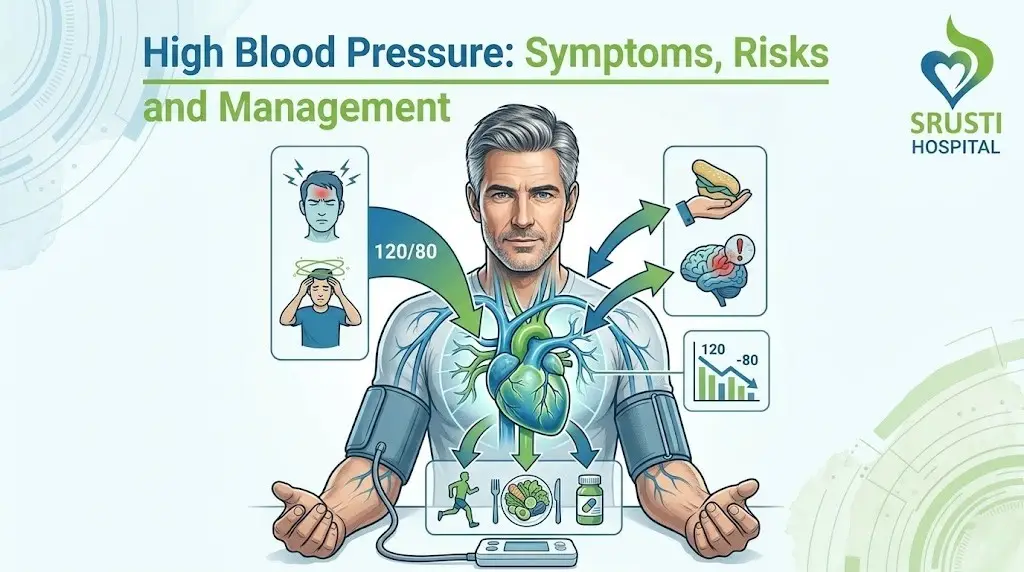
High blood pressure, also known as hypertension, is one of the most common health conditions affecting millions of people worldwide. Despite being widespread, it often goes unnoticed because it may not cause obvious symptoms in its early stages. For this reason, hypertension is frequently referred to as the “silent killer.”
Over time, uncontrolled blood pressure can damage vital organs and significantly increase the risk of serious health complications. However, the good news is that early detection, healthy lifestyle choices, and proper medical management can help keep blood pressure under control and improve overall well-being.
What Is High Blood Pressure?
Blood pressure is the force exerted by circulating blood against the walls of the arteries. It is measured using two numbers:
- Systolic Pressure: The pressure when the heart beats.
- Diastolic Pressure: The pressure when the heart rests between beats.
A consistently elevated blood pressure reading may indicate hypertension. Therefore, regular monitoring is essential for identifying potential problems before complications develop.
Common Symptoms of High Blood Pressure
One of the biggest challenges with hypertension is that many people experience no symptoms for years. Nevertheless, some individuals may notice warning signs such as:
- Frequent headaches
- Dizziness or lightheadedness
- Blurred vision
- Shortness of breath
- Chest discomfort
- Fatigue
- Nosebleeds in severe cases
Because these symptoms can also occur with other conditions, regular blood pressure screening remains the most reliable way to detect hypertension.
Major Causes and Risk Factors
Several factors can contribute to the development of high blood pressure. While some are beyond our control, many can be managed through lifestyle changes.
Common risk factors include:
- Family history of hypertension
- Excess body weight
- High-salt diet
- Physical inactivity
- Chronic stress
- Smoking and tobacco use
- Excessive alcohol consumption
- Diabetes
- Kidney disease
- Increasing age
In addition, modern sedentary lifestyles and unhealthy dietary habits have led to a growing number of younger adults being diagnosed with hypertension.
Why High Blood Pressure Is Dangerous
Although hypertension may not cause immediate discomfort, it can gradually damage blood vessels and organs throughout the body. As a result, untreated high blood pressure can lead to severe health problems over time.
Some of the most serious complications include:
- Heart attack
- Stroke
- Heart failure
- Kidney damage
- Vision problems
- Peripheral artery disease
- Cognitive decline
Therefore, controlling blood pressure is not just about preventing symptoms. It is about protecting long-term health and reducing the risk of life-threatening conditions.
How High Blood Pressure Is Diagnosed
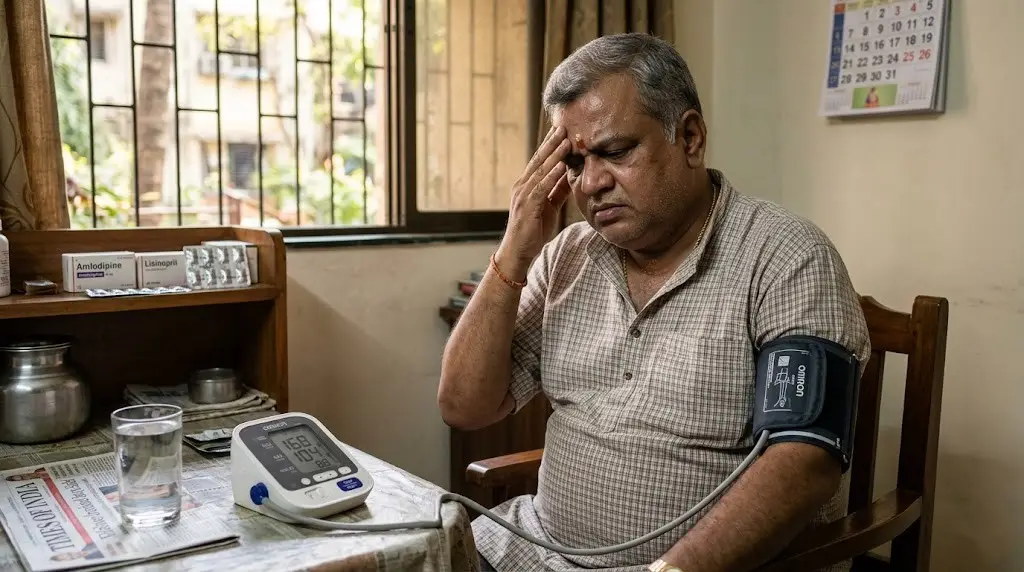
Diagnosing hypertension is a simple process that involves measuring blood pressure using a blood pressure monitor. Since readings can vary throughout the day, healthcare providers may recommend multiple measurements over time.
Additional tests may also be advised to evaluate overall health and identify any underlying conditions, including:
- Blood tests
- Urine analysis
- Electrocardiogram (ECG)
- Echocardiogram
- Kidney function tests
Early diagnosis allows timely intervention and helps prevent complications before they become serious.
Effective Ways to Manage High Blood Pressure
Managing hypertension often requires a combination of lifestyle modifications and medical treatment. Fortunately, even small changes can make a significant difference.
Some effective management strategies include:
- Reducing salt intake
- Eating a balanced diet rich in fruits and vegetables
- Exercising regularly
- Maintaining a healthy weight
- Managing stress effectively
- Avoiding tobacco products
- Limiting alcohol consumption
- Getting adequate sleep
- Monitoring blood pressure regularly
Furthermore, following medical advice consistently can greatly improve blood pressure control and overall cardiovascular health.
The Role of Medication
For some individuals, lifestyle changes alone may not be sufficient. In such cases, doctors may prescribe medications to help regulate blood pressure levels.
It is important to:
- Take medications exactly as prescribed
- Attend regular follow-up appointments
- Never stop treatment without medical guidance
- Report any side effects promptly
When combined with healthy lifestyle habits, medications can significantly reduce the risk of complications associated with hypertension.
Tips for Preventing High Blood Pressure
Prevention is always better than treatment. Adopting healthy habits early can help lower the risk of developing hypertension.
Simple preventive measures include:
- Staying physically active
- Maintaining a healthy body weight
- Eating a heart-friendly diet
- Limiting processed foods
- Managing stress levels
- Avoiding smoking
- Monitoring blood pressure periodically
- Attending routine health check-ups
These habits not only support healthy blood pressure but also contribute to overall wellness and longevity.
When Should You Consult a Doctor?
You should seek medical advice if you:
- Consistently record high blood pressure readings
- Experience severe headaches or dizziness
- Notice chest pain or shortness of breath
- Have a family history of hypertension
- Have diabetes, kidney disease, or heart disease
Prompt medical evaluation can help identify the cause and ensure appropriate treatment before complications arise.
Book Your Consultation
High blood pressure is a serious yet manageable condition. Although it often develops silently, its long-term effects can be significant if left untreated. Fortunately, regular health screenings, healthy lifestyle choices, and proper medical care can help maintain healthy blood pressure levels and reduce the risk of complications.
 Address: Plot No. 9, Kathagola, Ring Rd, Mangalabag, Cuttack, Odisha 753001
 Call: +91 73810 62525
 Landline: 0671-2319600
 Email: info@srustihospital.com
 Website: srustihospital.com
Taking proactive steps today can protect your heart, kidneys, brain, and overall health for years to come. Regular monitoring and early intervention remain the keys to living a healthier and more active life.
