

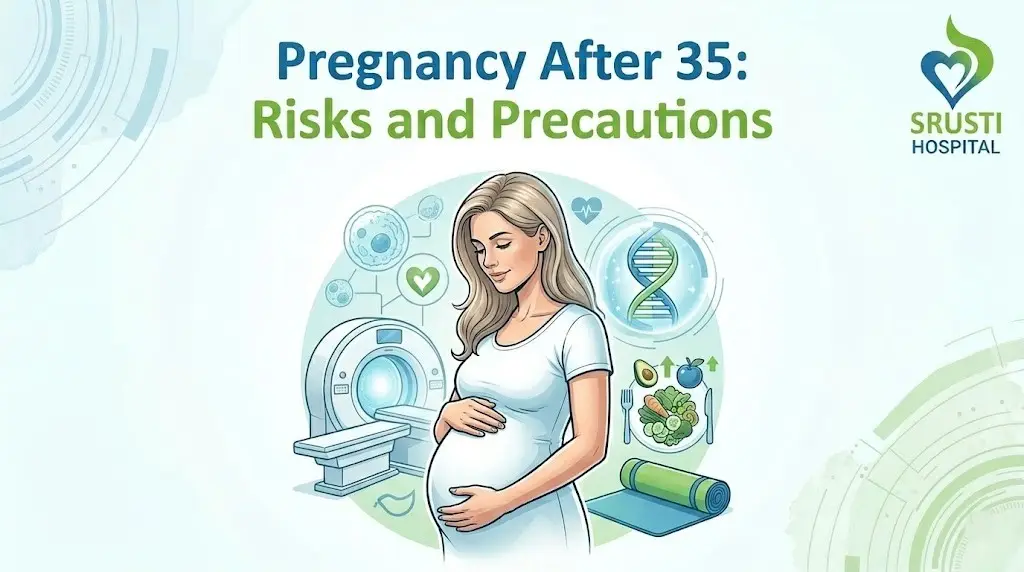
In recent years, many women have chosen to start or expand their families later in life due to career goals, financial stability, personal preferences, or other life circumstances. As a result, pregnancy after the age of 35 has become increasingly common.
While many women experience healthy pregnancies and deliver healthy babies after 35, this stage of pregnancy may require additional monitoring and care. Understanding the potential risks and taking appropriate precautions can help ensure the best possible outcomes for both mother and baby.
What Is Considered Pregnancy After 35?
A pregnancy occurring at the age of 35 or older is often referred to as advanced maternal age. Although age alone does not determine pregnancy outcomes, certain health risks tend to increase as women get older.
Fortunately, advances in prenatal care, medical technology, and maternal health management have significantly improved pregnancy outcomes for women in this age group.
Why Pregnancy Risks Increase After 35
As women age, natural changes occur in the reproductive system and overall health. These changes may affect fertility, pregnancy progression, and childbirth.
Some factors that contribute to increased risks include:
- Reduced egg quality
- Declining fertility
- Higher likelihood of chronic health conditions
- Increased risk of pregnancy complications
- Greater chances of genetic abnormalities
However, with proper medical care and healthy lifestyle choices, many of these risks can be effectively managed.
Common Risks Associated with Pregnancy After 35
Although every pregnancy is unique, women over 35 may have a slightly higher risk of developing certain complications.
These may include:
- Gestational diabetes
- High blood pressure during pregnancy
- Preeclampsia
- Placental complications
- Preterm birth
- Miscarriage
- Low birth weight
- Cesarean delivery
- Multiple pregnancy complications
Regular prenatal check-ups play a crucial role in identifying and managing these conditions early.
Increased Risk of Chromosomal Abnormalities
One concern associated with advanced maternal age is a higher likelihood of chromosomal abnormalities in the baby.
These conditions may include:
- Down syndrome
- Edwards syndrome
- Patau syndrome
For this reason, healthcare providers may recommend additional prenatal screening and diagnostic tests to assess fetal health and development.
Importance of Early Prenatal Care
Early and consistent prenatal care is one of the most important steps for ensuring a healthy pregnancy after 35.
Regular prenatal visits help:
- Monitor maternal health
- Track fetal growth and development
- Detect potential complications early
- Manage existing medical conditions
- Provide nutritional and lifestyle guidance
Timely medical attention can significantly improve pregnancy outcomes and reduce risks.
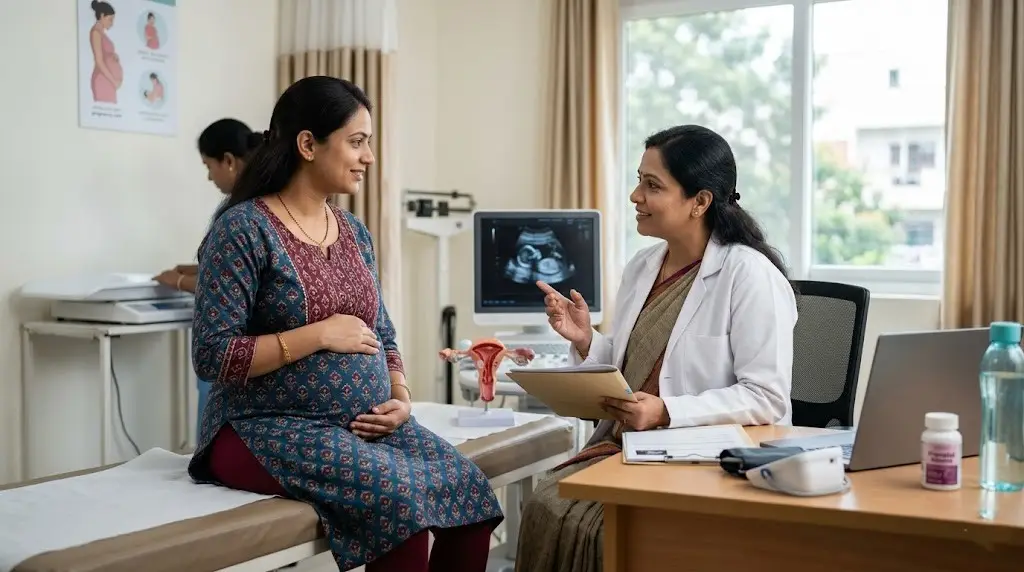
Essential Precautions During Pregnancy After 35
Taking proactive measures can help support a healthy pregnancy and reduce the likelihood of complications.
Important precautions include:
- Attending all prenatal appointments
- Following a balanced and nutritious diet
- Taking prenatal vitamins as prescribed
- Maintaining healthy weight gain
- Staying physically active with medical guidance
- Getting adequate rest and sleep
- Managing stress effectively
- Staying hydrated throughout the day
Additionally, avoiding harmful substances is crucial for maternal and fetal health.
Focus on Nutrition and Healthy Eating
Proper nutrition becomes even more important during pregnancy after 35.
A healthy pregnancy diet should include:
- Fresh fruits and vegetables
- Whole grains
- Lean proteins
- Dairy products rich in calcium
- Iron-rich foods
- Folate-rich foods
- Healthy fats
At the same time, limiting processed foods, excessive sugar, and high-sodium meals can help support overall health and pregnancy wellness.
Managing Existing Health Conditions
Women over 35 are more likely to have pre-existing medical conditions such as:
- Diabetes
- Hypertension
- Thyroid disorders
- Obesity
- Kidney disease
Proper management of these conditions before and during pregnancy can reduce complications and improve maternal and fetal outcomes.
Therefore, discussing your complete medical history with your healthcare provider is essential.
Staying Active During Pregnancy
Unless advised otherwise by a doctor, moderate physical activity can provide several benefits during pregnancy.
Regular exercise may help:
- Improve circulation
- Maintain healthy weight gain
- Reduce stress
- Improve sleep quality
- Lower the risk of gestational diabetes
Activities such as walking, prenatal yoga, and light stretching are often recommended for many pregnant women.
Warning Signs That Require Immediate Medical Attention
Certain symptoms should never be ignored during pregnancy.
Seek immediate medical care if you experience:
- Severe abdominal pain
- Heavy vaginal bleeding
- Persistent severe headaches
- Blurred vision
- Sudden swelling of hands or face
- Reduced fetal movements
- High fever
- Difficulty breathing
Prompt medical evaluation can help prevent serious complications.
Emotional Well-Being During Pregnancy
Pregnancy can bring significant emotional changes, especially for women balancing work, family, and personal responsibilities.
Maintaining emotional well-being is equally important. Helpful strategies include:
- Building a strong support system
- Practicing relaxation techniques
- Seeking professional guidance when needed
- Communicating openly with healthcare providers
A healthy mind contributes to a healthier pregnancy experience.
Can Women Over 35 Have a Healthy Pregnancy?
Absolutely. Many women over 35 experience smooth pregnancies and deliver healthy babies.
The key factors include:
- Early prenatal care
- Healthy lifestyle habits
- Regular medical monitoring
- Proper nutrition
- Timely management of complications
Age may increase certain risks, but it does not determine the success of a pregnancy.
Book Your Consultation
Pregnancy after 35 is becoming increasingly common and, in most cases, can be both healthy and successful. While certain risks may be higher compared to younger pregnancies, proper prenatal care, healthy lifestyle choices, and regular medical supervision can greatly reduce complications.
 Address: Plot No. 9, Kathagola, Ring Rd, Mangalabag, Cuttack, Odisha 753001
 Call: +91 73810 62525
 Landline: 0671-2319600
 Email: info@srustihospital.com
 Website: srustihospital.com
By staying informed, following medical advice, and prioritizing maternal health, women can confidently navigate pregnancy after 35 and enjoy a safe journey toward motherhood.
