

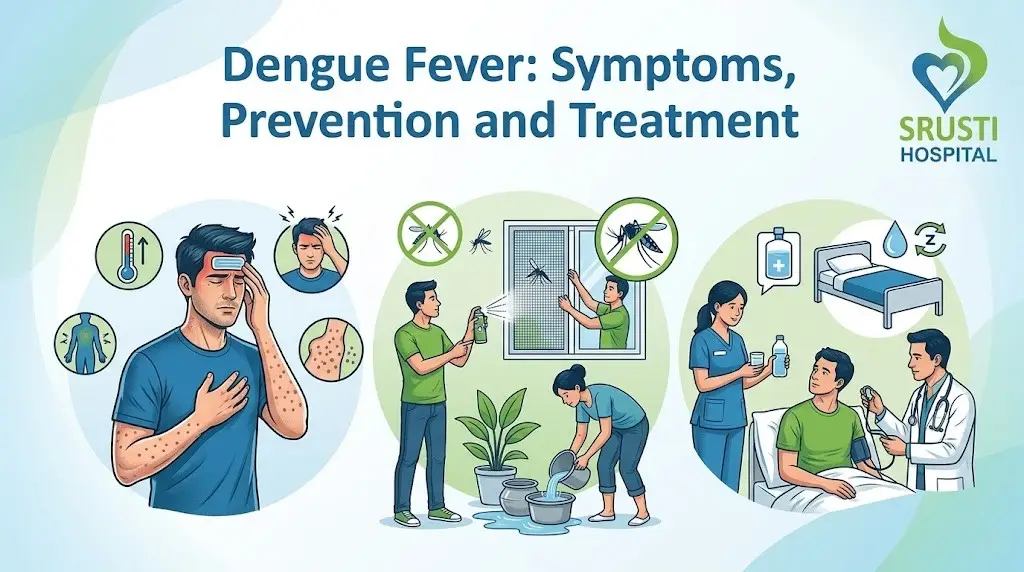
Dengue fever is a mosquito-borne viral infection that affects millions of people every year, particularly in tropical and subtropical regions. During the rainy season, the number of dengue cases often rises due to increased mosquito breeding, making awareness and prevention more important than ever.
Although many people recover with proper care, severe dengue can lead to serious complications if not diagnosed and treated promptly. Understanding the symptoms, preventive measures, and treatment options can help protect individuals and communities from this potentially dangerous disease.
What Is Dengue Fever?
Dengue fever is caused by the dengue virus, which is primarily transmitted through the bite of an infected Aedes mosquito, especially the Aedes aegypti species.
Unlike many other mosquitoes, Aedes mosquitoes are most active during the daytime, particularly during early morning and late afternoon hours.
Once infected, symptoms usually appear within 4 to 10 days after the mosquito bite.
How Dengue Spreads
Dengue does not spread directly from one person to another through casual contact.
The infection cycle typically occurs as follows:
- A mosquito bites an infected person.
- The mosquito becomes infected with the virus.
- The infected mosquito bites another person.
- The virus is transmitted into the bloodstream.
Therefore, controlling mosquito populations is one of the most effective ways to prevent dengue outbreaks.
Common Symptoms of Dengue Fever
Dengue symptoms can range from mild to severe. In many cases, the illness begins suddenly and may resemble other viral infections.
Common symptoms include:
- High fever
- Severe headache
- Pain behind the eyes
- Muscle and joint pain
- Extreme fatigue
- Nausea and vomiting
- Skin rash
- Loss of appetite
- Mild bleeding from gums or nose
Because dengue can mimic other infections, proper medical evaluation is essential for an accurate diagnosis.
Warning Signs of Severe Dengue
While many people recover without complications, some may develop severe dengue, which requires immediate medical attention.
Warning signs include:
- Severe abdominal pain
- Persistent vomiting
- Difficulty breathing
- Significant bleeding
- Blood in vomit or stool
- Extreme weakness
- Restlessness or confusion
- Rapid drop in platelet count
Recognizing these symptoms early can be lifesaving and may prevent serious complications.
Who Is at Higher Risk?
Although dengue can affect anyone, certain groups may be at greater risk of developing severe illness.
These include:
- Infants and young children
- Older adults
- Pregnant women
- Individuals with weakened immune systems
- People with chronic medical conditions
- Individuals previously infected with dengue
Therefore, extra precautions should be taken to protect vulnerable populations during dengue outbreaks.
How Dengue Fever Is Diagnosed
Doctors diagnose dengue based on symptoms, medical history, and laboratory investigations.
Common diagnostic tests include:
- Complete blood count (CBC)
- Platelet count monitoring
- Dengue NS1 antigen test
- Dengue IgM and IgG antibody tests
- Additional blood investigations when necessary
Early diagnosis allows timely treatment and close monitoring for potential complications.
Effective Ways to Prevent Dengue Fever
Since there is no guaranteed way to eliminate exposure completely, prevention remains the best defense against dengue.
Helpful preventive measures include:
- Using mosquito repellents
- Wearing full-sleeved clothing
- Installing window and door screens
- Using mosquito nets when necessary
- Avoiding mosquito-prone areas during peak activity times
- Keeping surroundings clean
Consistent preventive practices can significantly reduce the risk of infection.
Eliminating Mosquito Breeding Sites
Aedes mosquitoes breed in clean, stagnant water. Therefore, removing breeding sites is essential for community-wide dengue prevention.
Important steps include:
- Emptying water containers regularly
- Covering water storage tanks
- Cleaning coolers and flower pots
- Removing discarded tires and containers
- Ensuring proper drainage around homes
- Preventing water accumulation on rooftops
Even small amounts of stagnant water can become mosquito breeding grounds.
Treatment of Dengue Fever
Currently, there is no specific antiviral medication that cures dengue fever. Treatment mainly focuses on symptom relief and preventing complications.
Common treatment measures include:
- Adequate rest
- Drinking plenty of fluids
- Oral rehydration solutions
- Monitoring platelet counts
- Managing fever under medical guidance
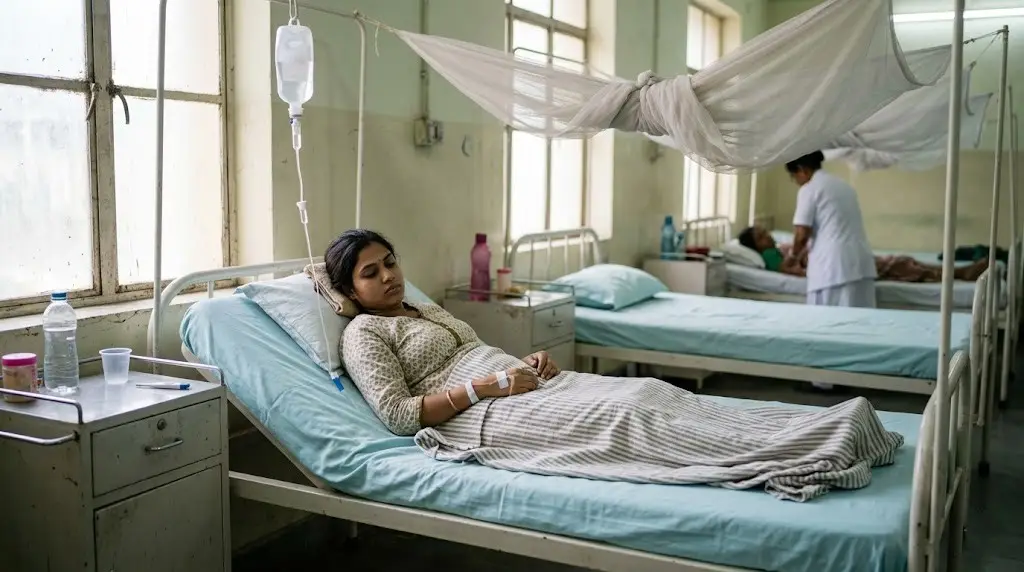
- Hospitalization in severe cases
Most patients recover completely with proper supportive care and monitoring.
Importance of Hydration During Dengue
Dehydration is a common concern during dengue fever due to high fever, vomiting, and reduced fluid intake.
Patients are often advised to consume:
- Water
- Oral rehydration solutions
- Coconut water
- Fresh fruit juices
- Soups and clear fluids
Maintaining hydration helps support recovery and reduces the risk of complications.
What Should Be Avoided During Dengue?
Certain medications and practices should be avoided unless specifically recommended by a healthcare provider.
These include:
- Self-medication
- Unnecessary painkillers without medical advice
- Ignoring warning signs
- Strenuous physical activity during recovery
- Delaying medical consultation
Seeking professional guidance ensures safe and effective management of the illness.
When Should You Consult a Doctor?
Medical attention should be sought immediately if:
- Fever persists for several days
- Symptoms worsen suddenly
- Bleeding develops
- Severe abdominal pain occurs
- Persistent vomiting is present
- Breathing difficulties arise
- Signs of dehydration appear
Early intervention can greatly improve outcomes and reduce the likelihood of severe complications.
Recovery and Post-Dengue Care
Recovery from dengue may take several weeks, even after the fever subsides.
To support recovery:
- Continue adequate hydration
- Eat a nutritious and balanced diet
- Get sufficient rest
- Attend follow-up appointments if advised
- Resume physical activities gradually
Proper post-illness care helps restore strength and overall health.
Book Your Consultation
Dengue fever remains a significant public health concern, particularly in regions where mosquito populations thrive. While the disease can range from mild to severe, early diagnosis, proper medical care, and preventive measures can greatly reduce complications and improve recovery.
 Address: Plot No. 9, Kathagola, Ring Rd, Mangalabag, Cuttack, Odisha 753001
 Call: +91 73810 62525
 Landline: 0671-2319600
 Email: info@srustihospital.com
 Website: srustihospital.com
By maintaining mosquito control, protecting against mosquito bites, and seeking timely medical attention when symptoms appear, individuals can play an important role in preventing dengue and safeguarding their health.
