Heart Failure Treatment
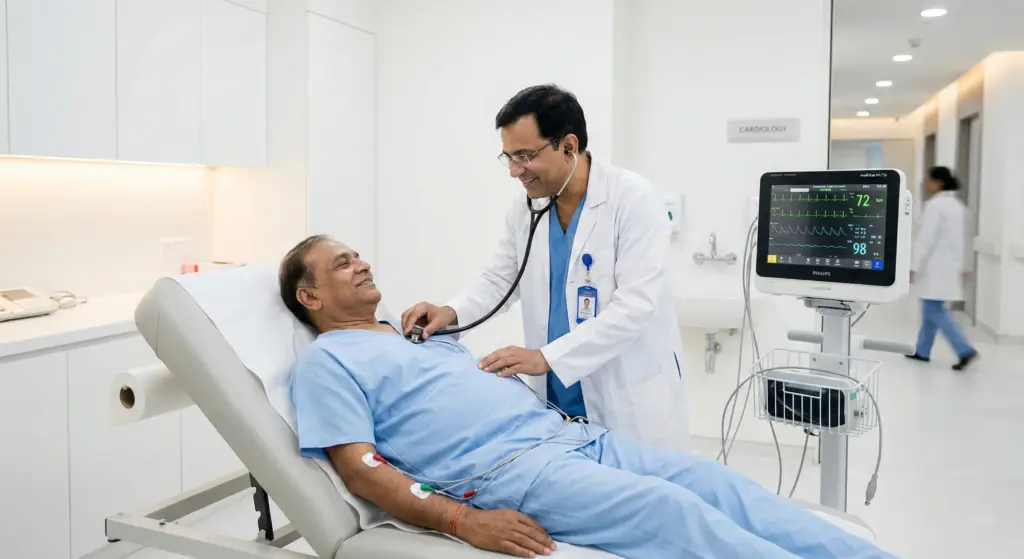
Heart failure is a serious medical condition that occurs when the heart is unable to pump blood effectively to meet the body’s needs. This does not mean the heart has stopped working, but rather that it is functioning less efficiently than normal. As a result, the body may not receive enough oxygen and nutrients, leading to symptoms such as fatigue, shortness of breath, swelling in the legs, and difficulty performing daily activities.
Treatment for heart failure focuses on improving heart function, relieving symptoms, and preventing the condition from worsening. Doctors develop a personalized treatment plan that may include medications, lifestyle changes, dietary adjustments, and regular monitoring of heart health. Reducing salt intake, maintaining a healthy weight, engaging in doctor-recommended physical activity, and managing underlying conditions such as high blood pressure or diabetes are essential parts of effective treatment.
Modern cardiology care uses advanced diagnostic tools and continuous monitoring to manage heart failure safely and effectively. With timely medical care, proper treatment, and regular follow-up, many patients can manage their symptoms, improve their quality of life, and reduce the risk of serious complications.
When to Consult a Doctor
Persistent Shortness of Breath
Difficulty breathing during routine activities or while lying down may indicate reduced heart function.
Swelling in Legs or Feet
Fluid buildup in the lower body can be a common sign of heart failure and requires medical evaluation.
Extreme Fatigue
Feeling unusually tired or weak during normal daily activities may signal that the heart is not pumping efficiently.
Rapid or Irregular Heartbeat
Palpitations or a fast heartbeat can sometimes occur when the heart struggles to circulate blood properly.
Sudden Weight Gain
Unexpected weight gain over a short period may be caused by fluid retention related to heart problems.
Persistent Cough or Wheezing
A long-lasting cough or wheezing, especially with white or pink mucus, may occur when fluid builds up in the lungs.
Get in Touch with Srusti Hospital
Hospital Address
Plot No. 9, Kathagola, Ring Rd, Mangalabag, Cuttack, Odisha 753001
Phone number
+91 73810 62525
info@srustihospital.com
+91 73810 62525
Heart Failure Treatment

Heart failure is a serious medical condition that occurs when the heart is unable to pump blood effectively to meet the body’s needs. This does not mean the heart has stopped working, but rather that it is functioning less efficiently than normal. As a result, the body may not receive enough oxygen and nutrients, leading to symptoms such as fatigue, shortness of breath, swelling in the legs, and difficulty performing daily activities.
Treatment for heart failure focuses on improving heart function, relieving symptoms, and preventing the condition from worsening. Doctors develop a personalized treatment plan that may include medications, lifestyle changes, dietary adjustments, and regular monitoring of heart health. Reducing salt intake, maintaining a healthy weight, engaging in doctor-recommended physical activity, and managing underlying conditions such as high blood pressure or diabetes are essential parts of effective treatment.
Modern cardiology care uses advanced diagnostic tools and continuous monitoring to manage heart failure safely and effectively. With timely medical care, proper treatment, and regular follow-up, many patients can manage their symptoms, improve their quality of life, and reduce the risk of serious complications.
When to Consult a Doctor
Persistent Shortness of Breath
Difficulty breathing during routine activities or while lying down may indicate reduced heart function.
Swelling in Legs or Feet
Fluid buildup in the lower body can be a common sign of heart failure and requires medical evaluation.
Extreme Fatigue
Feeling unusually tired or weak during normal daily activities may signal that the heart is not pumping efficiently.
Rapid or Irregular Heartbeat
Palpitations or a fast heartbeat can sometimes occur when the heart struggles to circulate blood properly.
Sudden Weight Gain
Unexpected weight gain over a short period may be caused by fluid retention related to heart problems.
Persistent Cough or Wheezing
A long-lasting cough or wheezing, especially with white or pink mucus, may occur when fluid builds up in the lungs.
Get in Touch with Srusti Hospital
Hospital Address
Plot No. 9, Kathagola, Ring Rd, Mangalabag, Cuttack, Odisha 753001
Phone number
+91 73810 62525
info@srustihospital.com
+91 73810 62525