

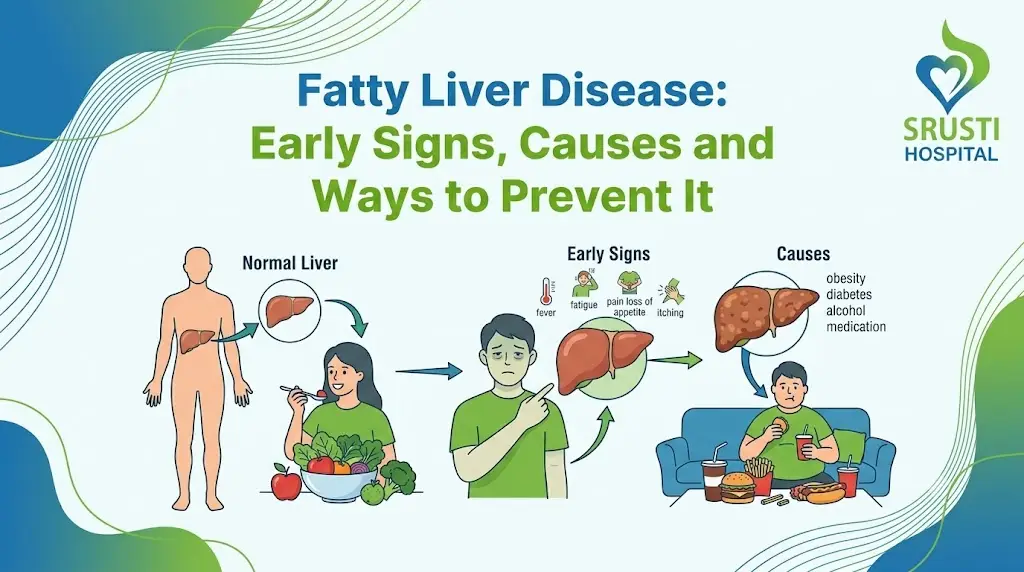
Fatty liver disease is a common condition that develops when excess fat accumulates in the liver, often without noticeable symptoms in its early stages. Recognizing fatty liver symptoms and understanding fatty liver causes can help with timely diagnosis and treatment. By following effective liver disease prevention strategies and adopting healthy liver tips, you can reduce your risk of complications and support long-term liver health.
Fatty liver disease is a common health condition that develops when excess fat builds up in the liver. In many cases, the condition causes few or no symptoms during its early stages. Therefore, people may remain unaware of the problem for a long time.
Although early fatty liver disease may not always cause serious problems, ongoing liver inflammation and damage can lead to scarring in some people. As a result, early diagnosis and healthy lifestyle changes are important for protecting liver health.
Understanding the early signs, causes, risk factors, and preventive measures can help individuals take better care of their liver.
What Is Fatty Liver Disease?
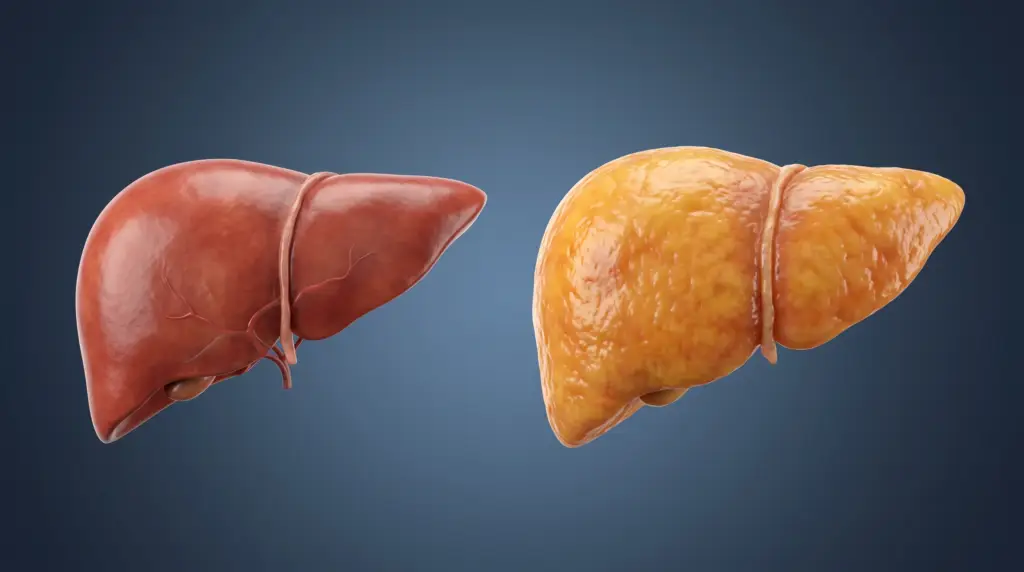
Fatty liver disease occurs when excess fat accumulates in the liver.
The liver is an important organ that performs several essential functions. It helps process nutrients, supports digestion, and removes certain harmful substances from the blood.
When excess fat builds up in the liver, normal liver health may be affected.
Fatty liver disease can be associated with metabolic health problems or alcohol use. Therefore, identifying the underlying cause is important for proper treatment and management.
What Is Metabolic Dysfunction-Associated Steatotic Liver Disease?
Metabolic dysfunction-associated steatotic liver disease, or MASLD, is a condition in which excess fat builds up in the liver and is associated with metabolic risk factors.
It was previously commonly known as non-alcoholic fatty liver disease or NAFLD.
MASLD is often linked with conditions such as:
- Overweight or obesity
- Type 2 diabetes
- Insulin resistance
- High blood pressure
- Abnormal cholesterol or triglyceride levels
Because the condition may remain silent for years, regular health evaluation can be important for people with these risk factors.
Why Is the Liver Important?
The liver performs many important functions in the body.
These include:
- Processing nutrients
- Producing bile
- Supporting digestion
- Storing energy
- Processing medicines
- Removing certain harmful substances from the blood
- Producing proteins needed by the body
Therefore, maintaining good liver health is important for overall well-being.
Common Causes of Fatty Liver Disease
Fatty liver disease can develop due to several factors.
Common causes and associated factors include:
- Excess body weight
- Insulin resistance
- Type 2 diabetes
- High cholesterol
- High triglyceride levels
- Metabolic health problems
- Excessive alcohol consumption
- Certain medical conditions
However, the exact cause may differ from person to person.
Therefore, a proper medical evaluation is necessary to understand the underlying factors affecting liver health.
Early Signs of Fatty Liver Disease
Fatty liver disease often causes no noticeable symptoms in its early stages.
However, when symptoms occur, they may include:
- Persistent tiredness
- Low energy
- General weakness
- Discomfort in the upper right side of the abdomen
These symptoms may also occur due to several other health conditions. Therefore, symptoms alone cannot confirm fatty liver disease.
Medical investigations are necessary for an accurate diagnosis.
Persistent Tiredness and Low Energy
Fatigue may sometimes occur in people with fatty liver disease.
A person may experience:
- Constant tiredness
- Reduced energy
- Difficulty completing daily activities
- General weakness
However, tiredness is a common symptom of many health problems.
If fatigue continues for a long time, especially with metabolic risk factors, a medical consultation may be helpful.
Discomfort in the Upper Right Abdomen
Some people with fatty liver disease may experience discomfort in the upper right side of the abdomen.
This is the area where the liver is located.
The discomfort may feel like:
- Mild pain
- Pressure
- A dull ache
- General discomfort
Persistent abdominal discomfort should be medically evaluated to identify the underlying cause.
Can Fatty Liver Disease Be Silent?
Yes. Fatty liver disease is often considered a silent condition because many people experience few or no symptoms.
In some cases, the condition may be discovered during:
- Routine blood tests
- Health check-ups
- Abdominal ultrasound
- Tests performed for another health problem
Therefore, individuals with diabetes, obesity, or other metabolic risk factors should discuss their liver health with a healthcare provider.
Who Is at Higher Risk of Fatty Liver Disease?
Certain people may have a higher risk of developing fatty liver disease.
Risk factors include:
- Overweight or obesity
- Type 2 diabetes
- Insulin resistance
- High blood pressure
- High cholesterol
- High triglycerides
- Metabolic syndrome
- Family or genetic factors
Having one or more risk factors does not always mean that a person has fatty liver disease. However, regular medical evaluation may help identify liver problems early.
Can Fatty Liver Disease Become Serious?
In some people, fat accumulation in the liver may be accompanied by inflammation and liver damage.
Over time, ongoing damage may lead to fibrosis, which means scarring of the liver.
In more advanced cases, severe scarring may develop into cirrhosis.
Therefore, early identification and proper management are important for reducing the risk of liver complications.
How Is Fatty Liver Disease Diagnosed?
Doctors may diagnose fatty liver disease using medical history, physical examination, blood tests, and imaging investigations.
Common investigations may include:
- Liver blood tests
- Ultrasound
- Other imaging tests when required
- Additional blood investigations
- Liver biopsy in selected cases
Blood tests may help identify abnormal liver enzyme levels. Meanwhile, imaging tests can help detect fat in the liver.
In some cases, additional tests may be required to evaluate liver damage or rule out other liver conditions.
Importance of Liver Function Tests
Liver blood tests are commonly used when evaluating liver health.
These tests may help doctors assess certain enzymes and substances in the blood.
However, blood tests alone may not always provide complete information about fatty liver disease.
Therefore, doctors may recommend imaging or other investigations depending on the patient’s condition.
Can Fatty Liver Disease Be Prevented?
Healthy lifestyle habits may help reduce the risk of metabolic fatty liver disease.
Helpful preventive measures include:
- Maintaining a healthy body weight
- Eating a balanced diet
- Staying physically active
- Managing blood sugar levels
- Managing cholesterol levels
- Controlling blood pressure
- Following medical advice for existing health conditions
Small and consistent lifestyle changes can support better liver and metabolic health.
Maintain a Healthy Body Weight
Maintaining a healthy weight is an important part of fatty liver prevention and management.
For people who are overweight or living with obesity, gradual weight loss may help reduce fat in the liver.
Helpful habits include:
- Controlling portion sizes
- Choosing balanced meals
- Avoiding frequent overeating
- Staying physically active
- Following a sustainable weight management plan
However, rapid weight loss should be avoided because it may negatively affect liver health.
A gradual and medically appropriate approach is generally recommended.
Follow a Balanced and Healthy Diet
A balanced diet can support liver health and help maintain a healthy body weight.
Healthy dietary habits may include:
- Eating more vegetables
- Including fruits in appropriate portions
- Choosing whole grains
- Including suitable sources of protein
- Limiting foods high in added sugars
- Controlling portion sizes
In addition, reducing frequent intake of highly processed and high-calorie foods may support better metabolic health.
Dietary recommendations may vary depending on a person’s medical condition. Therefore, personalised advice may be helpful.
Reduce Excess Sugar Intake
Frequent consumption of foods and drinks high in added sugar may contribute to excess calorie intake and metabolic health problems.
Consider limiting:
- Sugary soft drinks
- Sweetened beverages
- Excessive sweets
- High-sugar packaged foods
- Frequent desserts
Instead, choose water and healthier food options whenever possible.
Simple dietary changes can make healthy habits easier to maintain over time.
Stay Physically Active
Regular physical activity can support weight management and overall metabolic health.
Helpful activities may include:
- Walking
- Cycling
- Swimming
- Light jogging
- Strength training
- Other suitable exercises
The type and intensity of exercise should depend on a person’s age, health, and physical ability.
People with existing medical conditions should discuss suitable exercise plans with their healthcare provider.
Manage Diabetes and Blood Sugar Levels
Type 2 diabetes is an important risk factor associated with fatty liver disease.
Therefore, people with diabetes should:
- Monitor blood sugar as advised
- Take prescribed medicines correctly
- Follow dietary recommendations
- Attend regular medical appointments
- Stay physically active when appropriate
Proper diabetes management can support overall metabolic and liver health.
Control Cholesterol and Triglyceride Levels
High cholesterol and triglyceride levels may be associated with metabolic fatty liver disease.
Helpful steps include:
- Following a balanced diet
- Maintaining a healthy weight
- Exercising regularly
- Taking prescribed medicines correctly
- Completing recommended blood tests
Regular monitoring can help doctors manage abnormal lipid levels effectively.
Limit or Avoid Alcohol as Advised
Alcohol can affect liver health.
People with fatty liver disease should discuss alcohol consumption with their doctor. Depending on the type and severity of liver disease, avoiding alcohol may be advised.
Patients should follow personalised medical guidance to protect their liver.
Avoid Self-Medicating With Supplements
Some people may use herbal products or dietary supplements for liver health without medical advice.
However, certain supplements and herbal remedies may damage the liver.
Therefore:
- Avoid unverified liver detox products
- Do not take supplements without medical advice
- Inform your doctor about herbal products
- Follow prescribed treatment carefully
The liver naturally performs important processing functions. There is no substitute for appropriate medical care and healthy lifestyle habits.
Treatment of Fatty Liver Disease
Treatment depends on the type, severity, and underlying cause of fatty liver disease.
For metabolic fatty liver disease, doctors often recommend lifestyle changes.
These may include:
- Gradual weight loss when appropriate
- Regular physical activity
- Healthy dietary changes
- Management of diabetes
- Blood pressure control
- Cholesterol management
Patients with advanced liver damage may require specialist medical care and closer monitoring.
Therefore, treatment should be personalised according to the patient’s health condition.
Importance of Regular Health Check-Ups
Because fatty liver disease may not cause early symptoms, regular health check-ups can be helpful for people with risk factors.
Doctors may recommend:
- Blood tests
- Liver health evaluation
- Blood sugar testing
- Cholesterol testing
- Imaging investigations when necessary
Regular monitoring may help identify health problems before serious complications develop.
What Symptoms Should Not Be Ignored?
Certain symptoms may indicate significant liver problems and require medical attention.
These may include:
- Yellowing of the skin or eyes
- Swelling of the abdomen
- Persistent abdominal pain
- Severe weakness
- Unexplained weight loss
- Increasing confusion
- Significant swelling in the legs or ankles
These symptoms can have several causes. However, timely medical evaluation is important.
When Should You Consult a Doctor?
Medical advice should be sought if:
- Persistent fatigue continues
- Upper abdominal discomfort develops
- Liver blood tests are abnormal
- You have diabetes and concerns about liver health
- You have obesity or multiple metabolic risk factors
- Symptoms of advanced liver problems appear
Early medical evaluation can help identify the cause and guide appropriate care.
Living With Fatty Liver Disease
Many people with fatty liver disease can improve their liver health by following medical advice and making sustainable lifestyle changes.
Helpful steps include:
- Maintaining a healthy weight
- Staying physically active
- Eating a balanced diet
- Managing existing medical conditions
- Taking prescribed medicines correctly
- Attending follow-up appointments
Consistency is important. Small changes followed regularly may support long-term health.
Book Your Consultation
Fatty liver disease can develop silently and may not cause noticeable symptoms during its early stages. However, ongoing liver inflammation and damage can lead to serious complications in some people.
Address: Plot No. 9, Kathagola, Ring Rd, Mangalabag, Cuttack, Odisha 753001
 Call: +91 73810 62525
 Landline: 0671-2319600
 Email: info@srustihospital.com
 Website: srustihospital.com
By maintaining a healthy body weight, eating a balanced diet, staying physically active, and managing conditions such as diabetes and high cholesterol, individuals can support better liver health and reduce the risk of fatty liver disease.
