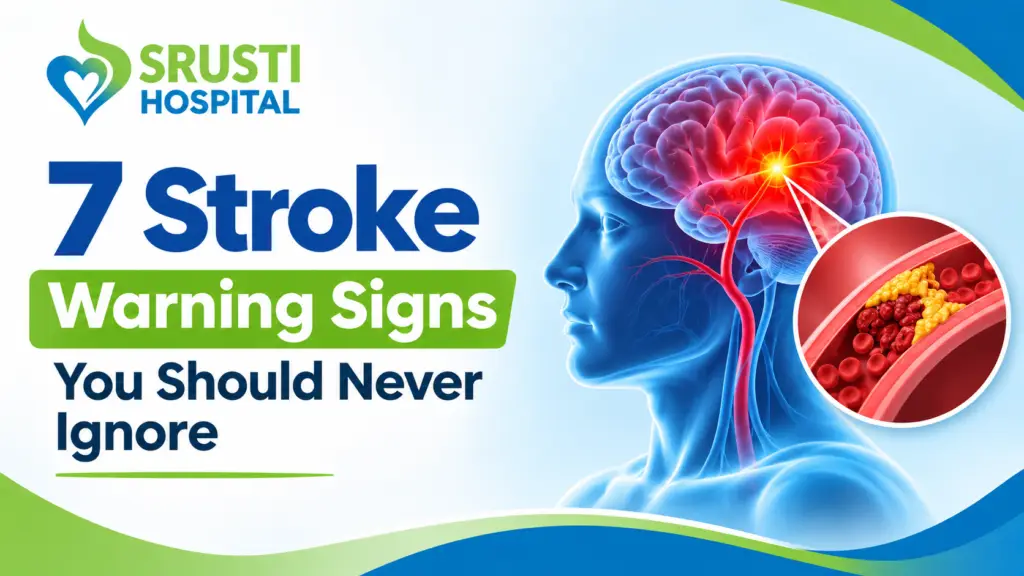
A stroke is a serious medical emergency that occurs when the blood supply to part of the brain is interrupted or when a blood vessel in the brain ruptures. Without sufficient oxygen and nutrients, brain cells can become damaged within minutes.
Recognising the early symptoms of a stroke is extremely important because timely medical treatment can reduce brain damage, prevent serious complications and improve recovery outcomes.
Although strokes are more common among older adults, they can affect people of different age groups. Understanding the warning signs can help individuals and their families take immediate action when every minute matters.
What Is a Stroke?
A stroke occurs when blood flow to the brain is disrupted. It is generally classified into two major types:
- Ischaemic Stroke: Occurs when a blood clot blocks an artery supplying blood to the brain.
- Haemorrhagic Stroke: Occurs when a blood vessel in the brain ruptures, causing bleeding.
Both types require immediate medical attention. The treatment depends on the type of stroke, its severity and the patient’s overall health.
7 Warning Signs of Stroke You Should Never Ignore
Recognising stroke symptoms early can help someone receive medical attention without unnecessary delays. Here are seven important warning signs.
1. Sudden Facial Drooping
One side of the face may suddenly appear uneven or droop. The person may have difficulty smiling or controlling facial movements.
Ask the person to smile and observe whether one side of the face appears lower than the other.
2. Weakness or Numbness in One Arm
Sudden weakness, numbness or difficulty lifting one arm can be an important warning sign of stroke.
Ask the person to raise both arms. If one arm drifts downward or cannot be lifted properly, seek emergency medical assistance.
3. Slurred or Confused Speech
A person experiencing a stroke may struggle to speak clearly, pronounce words or understand what others are saying.
Sudden difficulty communicating should never be ignored, particularly when accompanied by other neurological symptoms.
4. Sudden Vision Problems
Blurred vision, double vision or sudden loss of vision in one or both eyes may occur during a stroke.
These changes may appear unexpectedly and can affect the person’s ability to read, walk or recognise objects.
5. Sudden Loss of Balance or Coordination
Unexpected dizziness, difficulty walking, poor coordination or loss of balance may indicate a neurological emergency.
Some individuals may experience difficulty standing or walking normally.
6. Sudden and Severe Headache
A sudden, unusually severe headache without an obvious cause can sometimes indicate a haemorrhagic stroke.
It may be accompanied by vomiting, dizziness, confusion or other neurological symptoms. Immediate medical assessment is essential.
7. Sudden Numbness on One Side of the Body
Unexpected numbness or weakness affecting one side of the body, including the face, arm or leg, can be a warning sign.
These symptoms may appear suddenly and interfere with normal movement and everyday activities.
Remember the FAST Stroke Test
The FAST method is a simple way to recognise some of the most common stroke warning signs.
- F – Face: Does one side of the face droop when the person smiles?
- A – Arms: Is one arm weak or unable to stay raised?
- S – Speech: Is the person’s speech slurred or difficult to understand?
- T – Time: Seek emergency medical assistance immediately.
Another useful approach is B.E. F.A.S.T., which also includes sudden balance problems and eye or vision changes.
If you notice any of these symptoms, do not wait for them to disappear.
What Should You Do If Someone Shows Stroke Symptoms?
Taking the right action immediately can make an important difference.
Follow these steps:
- Seek emergency medical assistance: Contact emergency services immediately. In India, call 112 or your local ambulance service.
- Note the time: Record when the symptoms first appeared or when the person was last known to be well.
- Do not delay treatment: Never wait to see whether the symptoms improve.
- Avoid giving food or water: A stroke can affect swallowing and increase the risk of choking.
- Do not give medication without medical advice: Avoid giving aspirin or other medicines unless directed by medical professionals.
- Arrange emergency transport: Use an ambulance rather than attempting to manage the situation at home.
Even if symptoms disappear after a few minutes, immediate medical evaluation is necessary because this may indicate a transient ischaemic attack (TIA), sometimes called a mini-stroke.
What Are the Risk Factors for Stroke?
Certain health conditions and lifestyle habits can increase the risk of developing a stroke.
Important risk factors include:
- High blood pressure.
- Diabetes.
- High cholesterol.
- Smoking and tobacco use.
- Obesity and physical inactivity.
- Certain heart conditions, including atrial fibrillation.
- Unhealthy dietary habits.
- Previous stroke or transient ischaemic attack.
High blood pressure is an especially important risk factor. Regular health check-ups and appropriate management of existing medical conditions can help reduce stroke risk.
How Can You Reduce the Risk of Stroke?
Although not every stroke can be prevented, healthy lifestyle choices can help lower the risk.
1. Monitor Blood Pressure
Regularly check your blood pressure and follow medical advice if you have hypertension.
2. Manage Diabetes
Keep blood glucose levels under control through appropriate treatment, dietary habits and regular monitoring.
3. Follow a Balanced Diet
Include vegetables, fruits, whole grains and other nutritious foods. Reduce excessive salt and unhealthy fats.
4. Stay Physically Active
Regular physical activity, such as walking or cycling, can support cardiovascular health.
5. Avoid Tobacco
Smoking and tobacco use increase the risk of cardiovascular disease and stroke.
6. Monitor Cholesterol Levels
Regular blood tests and appropriate treatment can help manage unhealthy cholesterol levels.
7. Attend Regular Health Check-ups
Routine medical assessments can help identify and manage risk factors before serious complications develop.
When Should You Seek Medical Help?
Any sudden facial drooping, arm weakness, speech difficulty, vision disturbance or unexplained loss of balance requires immediate emergency medical attention.
Do not delay treatment, even if the symptoms appear mild or disappear after a short period.
Early recognition and rapid medical intervention are essential for reducing the potential impact of a stroke.
Stroke Awareness and Medical Care at Srusti Hospital
Understanding stroke symptoms can help save lives. Early recognition, emergency assessment and timely medical intervention are essential for better outcomes.
Srusti Hospital is committed to providing quality healthcare through experienced medical professionals, modern diagnostic facilities and patient-centred care in Cuttack, Odisha.
If you or someone around you experiences possible stroke symptoms, seek emergency medical assistance immediately.
Your health deserves timely attention. Do not ignore the warning signs of a stroke.
About Srusti Hospital
Srusti Hospital
Plot No. 9, Kathagola, Ring Rd, Mangalabag, Cuttack, Odisha 753001
Phone: +91 73810 62525 | 0671-2319600
Email: contact@srustihospitals.com
At Srusti Hospital, we are committed to providing quality healthcare through advanced medical technology, experienced professionals and compassionate patient care.
Your health deserves expert attention. Contact Srusti Hospital for appointments and healthcare assistance.
Multispeciality Hospital | Cuttack, Odisha
