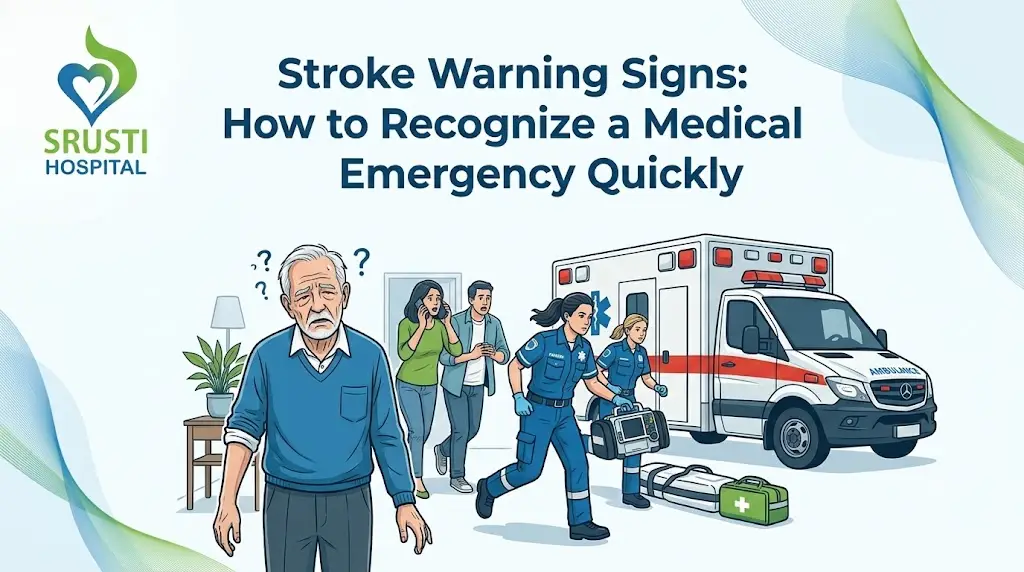
A stroke is a serious medical emergency that occurs when blood flow to part of the brain is interrupted or when a blood vessel in the brain bursts. As a result, brain cells can begin to become damaged within minutes. Therefore, recognizing the warning signs quickly and seeking emergency medical care without delay can be extremely important.
Many people assume that a stroke always causes dramatic symptoms. However, warning signs can sometimes appear suddenly and may initially seem mild. For this reason, knowing what to look for can help you act quickly when every minute matters.
What Is a Stroke?
A stroke occurs when part of the brain does not receive enough blood and oxygen or when bleeding occurs inside or around the brain.
The two main types of stroke are:
Ischaemic stroke: This happens when a blood clot or blockage prevents blood from reaching part of the brain.
Haemorrhagic stroke: This occurs when a blood vessel in or around the brain ruptures and causes bleeding.
In addition, a person may experience a transient ischaemic attack (TIA), sometimes called a mini-stroke. TIA symptoms may disappear after a short time, but they should still be taken seriously because they can be a warning sign of a future stroke.
Therefore, sudden neurological symptoms should never simply be ignored, even if they improve.
Why Is Quick Recognition of Stroke So Important?
During a stroke, brain cells can be damaged because they are not receiving normal blood flow and oxygen.
Consequently, delaying medical care may increase the risk of long-term complications, including problems with movement, speech, memory, swallowing, or other brain functions.
However, prompt medical evaluation may help doctors identify the type of stroke and provide appropriate treatment as quickly as possible.
The most important point is simple: if you suspect a stroke, do not wait to see whether the symptoms disappear. Seek emergency medical help immediately.
What Are the Most Common Stroke Warning Signs?
Stroke symptoms often begin suddenly.
Common warning signs include:
Sudden weakness or numbness of the face, arm, or leg
Weakness affecting one side of the body
Sudden difficulty speaking
Slurred or confused speech
Difficulty understanding what others are saying
Sudden facial drooping
Sudden loss of balance or coordination
Sudden dizziness
Difficulty walking
Sudden vision problems
Sudden severe headache, particularly if unusual
Sudden confusion
Although symptoms can vary, the sudden appearance of these problems should be treated as a medical emergency.
How Can You Remember the Warning Signs? Think FAST
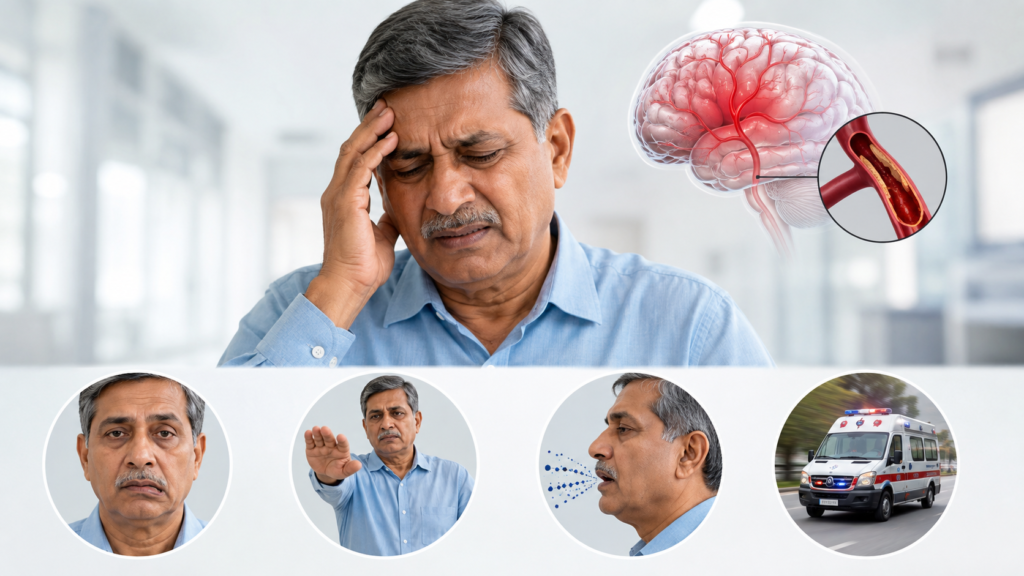
One of the simplest ways to remember common stroke warning signs is FAST.
F – Face Drooping
Ask the person to smile. Is one side of the face drooping or numb?
A – Arm Weakness
Ask the person to raise both arms. Does one arm drift downward or feel weak?
S – Speech Difficulty
Is the person’s speech slurred, strange, confused, or difficult to understand?
T – Time to Seek Emergency Help
If any of these signs are present, seek emergency medical assistance immediately.
The FAST approach can help people recognize several common signs quickly. However, not every stroke presents in exactly the same way.
What Other Symptoms Can Indicate a Stroke?
Some people may experience stroke symptoms that are not included in the basic FAST checklist.
Other possible warning signs include:
Sudden severe dizziness
Sudden loss of balance
Sudden difficulty walking
Sudden double vision or loss of vision
Sudden difficulty swallowing
Sudden confusion
Sudden severe headache
Sudden nausea or vomiting, particularly with other neurological symptoms
Therefore, a person does not need to have every classic stroke symptom for the situation to be serious.
Can a Stroke Cause Facial Drooping?
Yes. Sudden weakness or numbness affecting the face is a common warning sign of stroke.
For example, one side of the face may appear to droop when the person tries to smile.
However, facial changes can occur for other medical reasons as well. Therefore, sudden facial drooping, especially when combined with arm weakness or speech difficulty, should be assessed urgently.
Can Arm or Leg Weakness Be a Sign of Stroke?
Yes. Sudden weakness or numbness in an arm or leg can be a warning sign of stroke.
The weakness may affect:
One arm
One leg
One side of the body
The face and arm on the same side
For instance, a person may suddenly have difficulty lifting an arm, holding an object, standing, or walking normally.
Sudden weakness should not be ignored, particularly when it occurs together with speech or facial changes.
Can Speech Problems Indicate a Stroke?
Yes. A stroke can affect the areas of the brain responsible for speaking and understanding language.
A person may:
Speak with slurred speech
Use incorrect or confusing words
Be unable to find the right words
Have difficulty understanding others
Suddenly become unable to speak normally
Sometimes a person may appear awake and alert but still have difficulty communicating.
Therefore, any sudden and unexplained change in speech requires urgent medical attention.
Can Sudden Vision Changes Be a Stroke Warning Sign?
Yes. Some strokes can affect vision.
Possible symptoms include:
Sudden blurred vision
Sudden double vision
Sudden loss of vision in one or both eyes
Difficulty seeing part of the visual field
Because sudden vision problems can have several causes, medical assessment is necessary to determine the reason.
Nevertheless, sudden vision changes, particularly when combined with weakness, dizziness, or speech problems, should be treated seriously.
Can a Severe Headache Be a Sign of Stroke?
A sudden and severe headache can sometimes occur with certain types of stroke, particularly haemorrhagic stroke.
The headache may be accompanied by:
Vomiting
Confusion
Weakness
Difficulty speaking
Loss of consciousness
Neck stiffness
However, headaches have many possible causes, and most headaches are not caused by a stroke.
Even so, a sudden, unusually severe headache, especially when associated with neurological symptoms, requires urgent medical attention.
Can Dizziness or Loss of Balance Indicate a Stroke?
Yes. Some strokes can affect areas of the brain involved in balance and coordination.
As a result, a person may suddenly experience:
Severe dizziness
Loss of balance
Difficulty walking
Poor coordination
Sudden falls
Dizziness alone does not always mean that a person is having a stroke. Nevertheless, sudden dizziness combined with weakness, speech difficulty, vision changes, or severe balance problems should be evaluated urgently.
What Should You Do If You Think Someone Is Having a Stroke?
If you suspect that someone is having a stroke, act quickly.
You should:
Seek emergency medical help immediately
Note the time when the symptoms first appeared or when the person was last known to be well
Keep the person safe and as comfortable as possible
Avoid giving food or drinks if swallowing is affected
Do not give medicines unless specifically advised by a qualified healthcare professional
Stay with the person until medical help arrives
Importantly, do not wait to see if the symptoms improve on their own.
Why Is the Time of Symptom Onset Important?
Doctors may ask when the symptoms started or when the person was last seen without symptoms.
This information can be important because certain treatments for some types of stroke may depend on the timing of symptom onset and other clinical findings.
For this reason, if possible, note:
- The exact time symptoms began
- When the person was last known to be normal
- How the symptoms changed over time
Even if you are unsure about the exact time, seek emergency medical care immediately.
What Is a Mini-Stroke or TIA?
A transient ischaemic attack, or TIA, can cause symptoms similar to a stroke.
These symptoms may include:
- Facial weakness
- Arm or leg weakness
- Speech difficulty
- Vision changes
- Balance problems
However, TIA symptoms may resolve completely after a short period.
This does not mean the event can be ignored.
A TIA may be an important warning sign that a person is at risk of a future stroke. Therefore, urgent medical assessment is still necessary even when symptoms disappear.
What Are the Risk Factors for Stroke?
Several factors can increase the risk of stroke.
Some common risk factors include:
- High blood pressure
- Diabetes
- High cholesterol
- Smoking
- Heart disease
- Irregular heart rhythm, such as atrial fibrillation
- Obesity
- Physical inactivity
- Excessive alcohol consumption
- Previous stroke or TIA
- Increasing age
- Family history of certain cardiovascular conditions
Some risk factors cannot be changed. However, many can be managed with appropriate lifestyle changes and medical treatment.
Can High Blood Pressure Increase Stroke Risk?
Yes. High blood pressure is an important risk factor for stroke.
Over time, uncontrolled blood pressure can damage blood vessels and increase the risk of both blood vessel blockage and bleeding.
Because high blood pressure may not always cause noticeable symptoms, regular blood pressure checks can be important.
If high blood pressure is diagnosed, following the treatment plan recommended by a healthcare professional can help manage the condition.
Can Diabetes Increase the Risk of Stroke?
Yes. Diabetes can increase the risk of blood vessel damage and cardiovascular disease.
Over time, poorly controlled blood sugar may contribute to changes that affect blood vessels.
Therefore, people with diabetes should work with their healthcare professionals to manage blood sugar levels and other cardiovascular risk factors.
Can Stroke Be Prevented?
Not every stroke can be prevented. However, managing known risk factors may help reduce the risk.
Helpful steps may include:
- Managing blood pressure
- Controlling diabetes
- Managing cholesterol levels
- Avoiding tobacco use
- Staying physically active
- Eating a balanced diet
- Maintaining a healthy weight
- Taking prescribed medicines regularly
- Managing heart conditions
- Attending regular medical check-ups
Importantly, lifestyle changes should complement, not replace, medical treatment when a health condition has been diagnosed.
Who Is at Higher Risk of Stroke?
Stroke can occur at different ages, although the risk generally increases with age.
People may have a higher risk if they have:
- High blood pressure
- Diabetes
- Heart disease
- High cholesterol
- A previous stroke or TIA
- Certain heart rhythm problems
- A family history of stroke
However, even people without obvious risk factors can develop stroke symptoms.
Therefore, anyone experiencing sudden stroke-like symptoms needs urgent medical evaluation.
How Is a Stroke Diagnosed?
Doctors use the person’s symptoms, medical history, physical examination, and appropriate investigations to determine whether a stroke has occurred.
Tests may include:
- Brain imaging
- Blood tests
- Blood pressure assessment
- Heart rhythm evaluation
- Blood vessel imaging
- Other investigations based on the person’s condition
These tests can help doctors determine the type of stroke and plan appropriate treatment.
What Happens After a Stroke?
The effects of a stroke vary from person to person.
Some people recover well, while others may need rehabilitation and long-term support.
Depending on the area of the brain affected, recovery may involve help with:
- Walking and movement
- Speech and communication
- Swallowing
- Memory and thinking
- Daily activities
- Emotional and psychological well-being
Rehabilitation may involve doctors, nurses, physiotherapists, occupational therapists, speech therapists, and other healthcare professionals.
Early and appropriate medical care can play an important role in managing the condition and planning recovery.
When Is a Stroke an Emergency?
A suspected stroke should always be treated as a medical emergency.
Seek immediate emergency medical help if a person suddenly develops:
- Facial drooping
- Weakness or numbness on one side
- Difficulty speaking
- Sudden confusion
- Sudden vision loss
- Severe balance problems
- Sudden severe headache
- Loss of consciousness
Even if the symptoms improve or disappear, urgent medical assessment is still important.
Living After a Stroke
Recovery after a stroke can take time and may look different for every person.
Some people regain functions quickly, while others require ongoing rehabilitation.
Following the recommended treatment plan, attending rehabilitation sessions, managing risk factors, and receiving support from family members and healthcare professionals can help patients during recovery.
In addition, regular follow-up may be necessary to reduce the risk of future complications or another stroke.
Book Your Consultation
A stroke is a medical emergency where quick recognition and immediate action are extremely important. Sudden facial drooping, arm weakness, speech difficulty, vision changes, severe dizziness, loss of balance, or an unusually severe headache should never be ignored.
Remember the FAST warning signs: Face drooping, Arm weakness, Speech difficulty, Time to seek emergency help.
If you or someone around you develops sudden symptoms that may indicate a stroke, seek emergency medical care immediately rather than waiting for the symptoms to improve.
At Srushti Hospital, Cuttack, patients can access comprehensive medical care and specialist evaluation for serious health conditions and neurological symptoms requiring prompt attention.
Address: Plot No. 9, Kathagola, Ring Rd, Mangalabag, Cuttack, Odisha 753001
Call: +91 73810 62525
Landline: 0671-2319600
Email: info@srustihospital.com
Website: srustihospital.com
If you notice sudden stroke warning signs in yourself or someone else, treat it as a medical emergency and seek immediate medical help without delay.
