

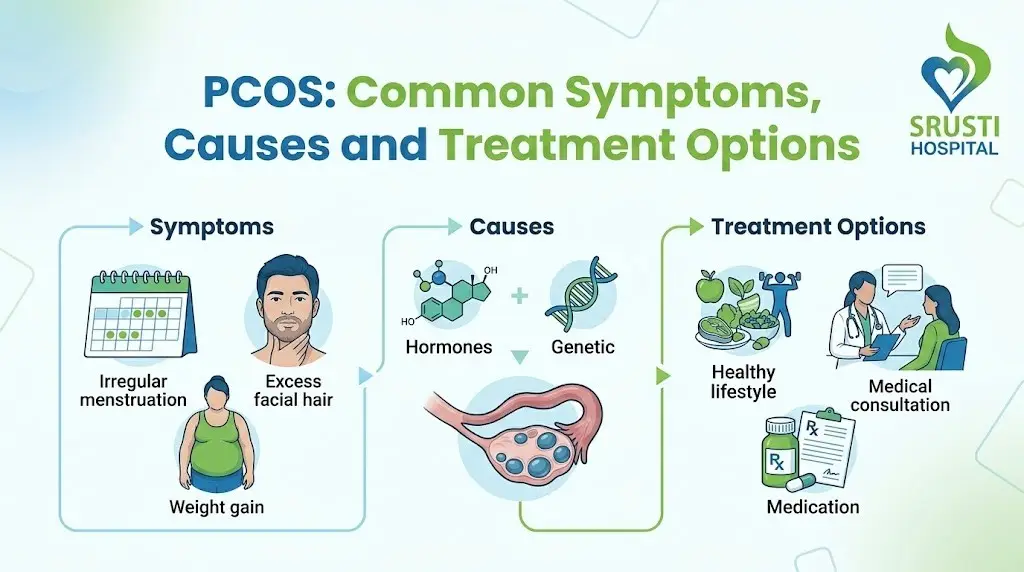
Polycystic ovary syndrome, commonly known as PCOS, is a common hormonal and metabolic condition that can affect menstrual periods, ovulation, fertility, skin, hair, and long-term health.
PCOS can affect people differently. Some may mainly experience irregular periods, while others may notice acne, excessive facial or body hair, hair thinning, difficulty becoming pregnant, or metabolic changes. Therefore, symptoms should not be ignored simply because they seem unrelated.
Importantly, having PCOS does not mean that a person will experience every symptom. With proper medical evaluation and an individualised treatment plan, many symptoms and long-term health risks can be managed.
What Is PCOS?
PCOS is a hormonal condition associated with abnormal hormone signalling and, in many cases, higher-than-normal levels or effects of androgens. These hormonal changes can interfere with normal ovulation and menstrual cycles.
As a result, a person with PCOS may have irregular or absent periods and may experience symptoms such as acne, excess facial or body hair, or difficulty becoming pregnant.
Despite its name, not everyone with PCOS has ovarian cysts, and having ovarian cysts alone does not necessarily mean that a person has PCOS. Therefore, PCOS should be diagnosed through a proper medical evaluation rather than an ultrasound alone.
How Common Is PCOS?
PCOS is one of the most common hormonal disorders affecting people during their reproductive years.
The World Health Organization estimates that PCOS affects approximately 10% to 13% of reproductive-aged women globally. However, many people remain undiagnosed, partly because symptoms can vary considerably from person to person.
What Are the Common Symptoms of PCOS?
PCOS symptoms can vary in type and severity.
Common symptoms may include:
- Irregular periods
- Infrequent periods
- Absent periods
- Heavy or prolonged periods in some people
- Difficulty becoming pregnant
- Excess facial or body hair
- Acne or oily skin
- Hair thinning or female-pattern hair loss
- Weight gain, particularly around the abdomen
- Difficulty managing weight
- Dark, thickened patches of skin in some people
Some people may have only a few symptoms. Therefore, the absence of one symptom does not rule out PCOS.
Can PCOS Cause Irregular Periods?
Yes. Irregular periods are one of the common features of PCOS.
Hormonal changes associated with PCOS can interfere with normal ovulation. Consequently, periods may occur infrequently, unpredictably, or may be absent for long periods.
However, irregular periods can also occur due to pregnancy, thyroid disorders, stress, significant weight changes, excessive exercise, and other health conditions. Therefore, persistent menstrual irregularities should be medically evaluated rather than assumed to be caused by PCOS.
Can PCOS Cause Excess Facial or Body Hair?
Yes. Some people with PCOS develop excessive or coarse hair growth, known as hirsutism.
This may occur because of increased androgen activity. Hair growth may become more noticeable on the:
- Face
- Chin
- Upper lip
- Chest
- Abdomen
- Back
- Upper thighs
The amount and pattern of hair growth can vary significantly between individuals. Medical treatments and cosmetic hair-removal methods may help manage this symptom.
Can PCOS Cause Acne and Oily Skin?
Yes. Hormonal changes associated with PCOS can contribute to acne and increased oil production in the skin.
Acne may occur on the:
- Face
- Jawline
- Chest
- Back
Persistent acne can have several causes. Therefore, ongoing or severe acne, especially when combined with irregular periods or excess hair growth, may warrant medical evaluation.
Can PCOS Cause Hair Loss?
Yes. Some people with PCOS may experience thinning of the hair on the scalp or female-pattern hair loss.
This can be related to androgen activity. However, hair loss has many possible causes, including nutritional deficiencies, thyroid disorders, stress, certain medicines, and other medical conditions.
Therefore, persistent or noticeable hair loss should be properly assessed.
Can PCOS Make It Difficult to Get Pregnant?
PCOS can make pregnancy more difficult for some people because ovulation may not occur regularly.
When ovulation is irregular, predicting fertile days can become difficult. However, having PCOS does not mean that pregnancy is impossible.
Treatment may include lifestyle support, medicines to help stimulate ovulation, and fertility treatments when appropriate. The most suitable approach depends on the person’s symptoms, age, overall health, and pregnancy goals.
What Causes PCOS?
The exact cause of PCOS is not fully understood.
Researchers believe that several factors may work together. These may include:
- Hormonal imbalances
- Increased androgen activity
- Insulin resistance
- Genetic or family factors
- Metabolic factors
PCOS can run in families, and a family history of PCOS or type 2 diabetes may increase the likelihood of developing the condition. However, having a family history does not guarantee that someone will develop PCOS.
What Is the Role of Insulin Resistance in PCOS?
Insulin is a hormone that helps the body regulate blood sugar.
In insulin resistance, the body’s cells do not respond normally to insulin. As a result, the body may produce more insulin to compensate.
Higher insulin levels can influence hormone activity and may contribute to increased androgen levels and problems with ovulation in some people with PCOS.
PCOS is also associated with a higher risk of insulin resistance and type 2 diabetes. Therefore, doctors may recommend metabolic screening as part of ongoing care.
Is PCOS Caused by Being Overweight?
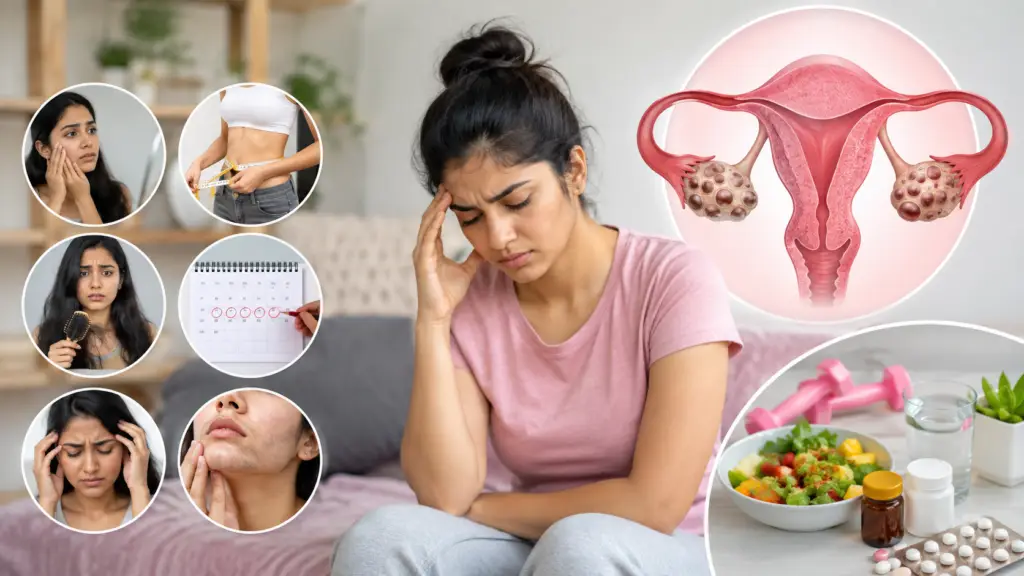
No. PCOS is not simply caused by body weight.
Although weight gain and metabolic changes can occur in some people with PCOS, people at different body weights can develop the condition.
For individuals who are overweight and whose doctor recommends weight management, even modest weight loss may improve menstrual regularity and some metabolic measures. However, treatment should always be individualised, and healthy lifestyle measures are important even when weight loss is not the goal.
How Is PCOS Diagnosed?
There is no single test that can diagnose every case of PCOS.
Doctors usually consider a person’s:
- Menstrual history
- Symptoms
- Medical history
- Family history
- Physical examination findings
- Hormone levels
- Metabolic health
According to current WHO information, a diagnosis may be made when at least two relevant features are present after other possible causes have been excluded. These features include signs of increased androgen activity, irregular or absent menstrual periods, and polycystic ovarian appearance on ultrasound.
Importantly, an ultrasound is not required in every case, and the presence of ovarian cysts alone does not diagnose PCOS.
What Tests May Be Recommended for PCOS?
Depending on the symptoms and medical history, a doctor may recommend:
- Hormone blood tests
- Blood glucose testing
- Tests for insulin resistance
- Cholesterol testing
- Blood pressure assessment
- Pregnancy testing when appropriate
- Thyroid or other hormone tests to rule out alternative causes
- Ultrasound examination when appropriate
Additional tests may be recommended based on the individual’s symptoms and risk factors.
Why Is It Important to Rule Out Other Conditions?
Several medical conditions can cause symptoms similar to PCOS.
For example, irregular periods, acne, hair changes, and weight changes can occur with other hormonal or metabolic conditions.
Therefore, doctors generally assess for other possible explanations before confirming a diagnosis of PCOS. This helps ensure that the treatment plan addresses the correct underlying condition.
What Are the Treatment Options for PCOS?
There is currently no single cure for PCOS. However, treatment can help manage symptoms, support fertility, and reduce certain long-term health risks.
Treatment depends on factors such as:
- The symptoms present
- Whether pregnancy is desired
- Metabolic health
- Menstrual patterns
- Personal preferences
- Other medical conditions
Treatment may include lifestyle measures, medicines, fertility treatment, and management of related health conditions.
Can Lifestyle Changes Help Manage PCOS?
Yes. Healthy lifestyle habits can be beneficial for people with PCOS, including those who are not trying to lose weight.
Helpful measures may include:
- Eating a balanced and nutritious diet
- Staying physically active
- Managing sleep and stress
- Following medical advice for blood sugar, cholesterol, or blood pressure
- Maintaining a weight that is appropriate for the individual’s health
For people who are advised to lose weight, gradual and sustainable changes may help improve some symptoms and metabolic measures.
However, PCOS management should not focus only on weight. Medical care may still be needed to address menstrual, fertility, hormonal, and metabolic concerns.
Can Medicines Help Treat PCOS?
Yes. Different medicines may be used depending on the symptoms and treatment goals.
For example, doctors may recommend medicines to:
- Regulate menstrual cycles
- Reduce acne
- Reduce excess hair growth
- Improve insulin sensitivity
- Support ovulation when pregnancy is desired
Hormonal contraceptives may be used for some people who are not trying to become pregnant. Medicines that improve insulin sensitivity may also be considered in selected cases.
The right treatment depends on the individual. Therefore, medicines should only be used under the guidance of a qualified healthcare professional.
What Treatment Options Are Available for PCOS-Related Infertility?
When pregnancy is desired, treatment focuses on improving the chances of regular ovulation and conception.
Depending on the individual situation, treatment options may include:
- Lifestyle changes when appropriate
- Medicines that stimulate ovulation
- Fertility treatment
- Assisted reproductive technologies such as IVF in selected cases
The appropriate treatment depends on several factors, including age, duration of infertility, other fertility factors, and overall health.
What Long-Term Health Problems Are Associated With PCOS?
PCOS can affect more than menstrual periods and fertility.
It is associated with an increased risk of several health concerns, including:
- Insulin resistance
- Type 2 diabetes
- High blood pressure
- High cholesterol
- Cardiovascular disease
- Obesity
- Sleep apnea
- Endometrial hyperplasia
- Endometrial cancer in certain circumstances
PCOS may also affect emotional well-being, and some people experience anxiety, depression, body-image concerns, or eating disorders.
Therefore, regular follow-up and appropriate screening can be an important part of long-term PCOS care.
Can PCOS Affect Mental Health?
Yes. Living with symptoms such as irregular periods, infertility, acne, unwanted hair growth, or weight-related concerns can affect emotional well-being.
Research and clinical guidance recognise that people with PCOS may have an increased risk of anxiety and depression.
Emotional symptoms should be taken seriously. Support may include counselling, psychological care, lifestyle support, and medical treatment when needed.
When Should You See a Doctor for Possible PCOS?
You should consider medical evaluation if you experience:
- Persistent irregular or absent periods
- Excessive facial or body hair
- Persistent acne
- Noticeable scalp hair thinning
- Difficulty becoming pregnant
- Significant unexplained weight changes
- Darkened, thickened patches of skin
- Symptoms that are affecting daily life or emotional well-being
These symptoms do not always mean that a person has PCOS. However, proper medical evaluation can help identify the cause and guide appropriate treatment.
Can PCOS Be Cured?
Currently, there is no permanent cure for PCOS.
However, this does not mean that nothing can be done. Many symptoms can be effectively managed with lifestyle measures, medicines, and appropriate medical care.
Treatment may change over time depending on a person’s age, symptoms, health status, and pregnancy plans. Therefore, regular follow-up can help ensure that the management plan continues to meet the person’s needs.
Living With PCOS
PCOS is a long-term condition, but many people can manage their symptoms successfully.
A personalised approach may include:
- Regular medical follow-up
- Healthy eating habits
- Regular physical activity
- Menstrual health management
- Screening for metabolic health problems
- Fertility support when needed
- Skin and hair symptom management
- Emotional and mental health support
Most importantly, PCOS management should be tailored to the individual rather than following a one-size-fits-all approach.
Book Your Consultation
PCOS can affect menstrual health, fertility, skin, hair, metabolism, and overall well-being. Symptoms such as irregular periods, excessive facial or body hair, persistent acne, hair thinning, or difficulty becoming pregnant should not be ignored.
Although PCOS cannot currently be cured, early diagnosis and appropriate treatment can help manage symptoms and reduce certain long-term health risks.
At Srushti Hospital, Mangalabag, Cuttack, patients can receive medical evaluation for menstrual irregularities, hormonal symptoms, reproductive health concerns, and related conditions. A healthcare professional can assess your symptoms and recommend appropriate investigations and treatment based on your individual needs.
Address: Plot No. 9, Kathagola, Ring Rd, Mangalabag, Cuttack, Odisha 753001
Call: +91 73810 62525
Landline: 0671-2319600
Email: info@srustihospital.com
Website: www.srustihospital.com
If you are experiencing symptoms that may be related to PCOS, book a consultation at Srushti Hospital, Mangalabag, Cuttack, for a proper medical evaluation and personalised treatment plan.
