

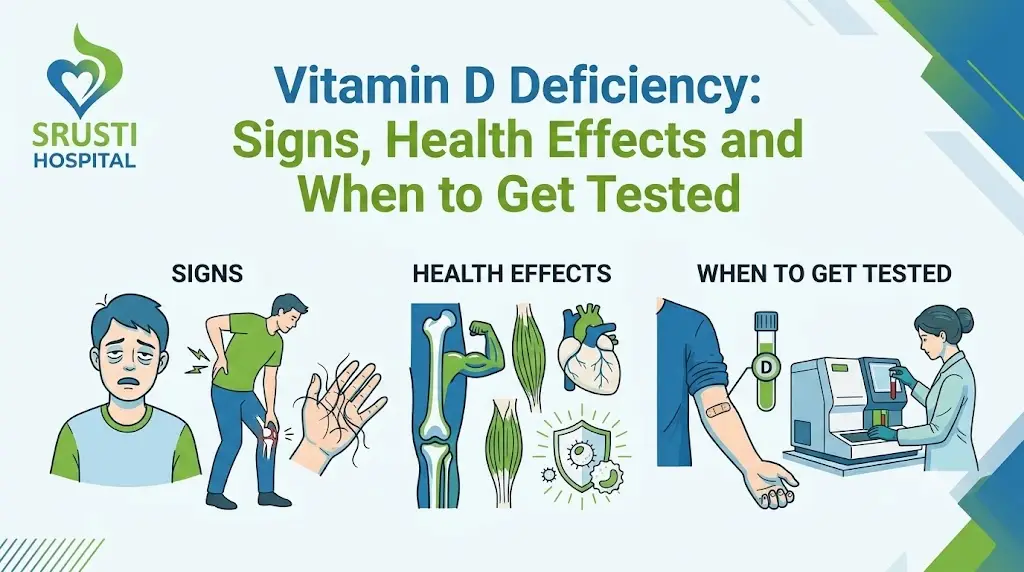
Vitamin D is an important nutrient that helps the body absorb calcium and supports normal bone growth, bone strength, and muscle function. The body can produce vitamin D when the skin is exposed to ultraviolet rays from sunlight, and it can also be obtained from certain foods and supplements.
When vitamin D levels remain low over time, the effects may range from no obvious symptoms to bone pain, muscle weakness, and problems with bone mineralisation. In children, severe deficiency can lead to rickets, while in adults it can contribute to osteomalacia, a condition associated with soft and weakened bones.
Therefore, persistent symptoms or known risk factors should be discussed with a healthcare professional rather than self-diagnosed.
What Is Vitamin D Deficiency?
Vitamin D deficiency occurs when the body does not have enough vitamin D to support normal functions.
Vitamin D helps the body absorb calcium and maintain appropriate calcium and phosphate levels, which are important for bone mineralisation, bone growth, and bone remodelling. Without enough vitamin D, bones can become weak or poorly mineralised.
Vitamin D status is usually assessed by measuring 25-hydroxyvitamin D, also called 25(OH)D, in the blood. However, the interpretation of test results can vary somewhat between laboratories and clinical guidelines.
What Are the Common Signs of Vitamin D Deficiency?
Many people with low vitamin D levels may not notice obvious symptoms.
When symptoms occur, they may include:
- Bone pain
- Muscle weakness
- Muscle aches
- Difficulty standing up or climbing stairs because of muscle weakness
- Tiredness or feeling unwell
- Difficulty walking in more severe cases
- Bone fragility or an increased risk of bone problems
These symptoms are not specific to vitamin D deficiency and can occur in many other conditions. Therefore, symptoms alone cannot confirm that a person has low vitamin D.
Can Vitamin D Deficiency Cause Tiredness?
Some people with vitamin D deficiency report tiredness or fatigue. However, tiredness alone has many possible causes, including poor sleep, anaemia, thyroid problems, infections, stress, nutritional deficiencies, and other medical conditions.
For this reason, fatigue by itself does not necessarily mean that a person has vitamin D deficiency.
If tiredness is persistent or affects daily life, a healthcare professional can assess the possible causes.
Can Vitamin D Deficiency Cause Bone Pain?
Yes. Prolonged or significant vitamin D deficiency can affect normal bone mineralisation.
In adolescents and adults, severe deficiency can contribute to osteomalacia, which may cause bone pain and muscle weakness. In children, severe deficiency can lead to rickets, a condition in which bones become soft and may develop deformities.
Persistent or unexplained bone pain should always be medically evaluated because it can have many possible causes.
Can Vitamin D Deficiency Cause Muscle Weakness?
Yes. Muscle weakness can occur in significant vitamin D deficiency, particularly when deficiency affects bone and muscle health.
Some people may notice difficulty:
- Standing up from a chair
- Climbing stairs
- Walking normally
- Lifting objects
- Performing everyday activities
However, muscle weakness can also result from neurological conditions, thyroid disorders, medication effects, nutritional deficiencies, and other health problems. Therefore, a proper medical evaluation is important.
What Causes Vitamin D Deficiency?
Vitamin D deficiency can develop for several reasons.
Common causes and contributing factors include:
- Limited exposure to sunlight
- Low dietary intake of vitamin D
- Conditions that reduce absorption of nutrients from the digestive tract
- Certain kidney or liver problems affecting vitamin D metabolism
- Increasing age
- Darker skin, which produces less vitamin D from sunlight exposure
- Obesity
- Previous gastric bypass surgery in some cases
Vitamin D deficiency can also occur when several of these factors are present together.
Can Lack of Sunlight Cause Vitamin D Deficiency?
Yes. The skin can produce vitamin D when exposed to ultraviolet rays from sunlight.
Therefore, people with limited sun exposure may have a greater risk of low vitamin D levels. This may include people who spend little time outdoors or routinely keep most of their skin covered.
However, excessive sun exposure can damage the skin and increase the risk of skin cancer. For this reason, increasing sun exposure should not be considered a substitute for personalised medical advice.
Can Diet Cause Low Vitamin D Levels?
Yes. Low dietary intake can contribute to vitamin D deficiency, especially when combined with limited sunlight exposure.
Vitamin D is naturally present in relatively few foods. Depending on dietary habits and local food fortification practices, sources may include:
- Oily fish
- Egg yolks
- Certain fortified foods
- Vitamin D supplements when recommended
People with milk allergy, lactose intolerance, or diets that contain few vitamin D sources may be at increased risk of low intake.
Who Is at Higher Risk of Vitamin D Deficiency?
Some people may have a higher risk of developing low vitamin D levels.
Higher-risk groups may include:
- Older adults
- People with limited sun exposure
- People with darker skin
- Breastfed infants who do not receive recommended supplementation
- People with malabsorption conditions
- People with obesity
- People who have had certain bariatric procedures
- People with chronic kidney or liver conditions
The importance of these risk factors depends on the individual. A healthcare professional can determine whether testing, supplementation, or other measures are appropriate.
How Does Vitamin D Deficiency Affect Children?
Severe vitamin D deficiency in children can cause rickets.
Rickets affects normal bone mineralisation and can result in:
- Soft or weak bones
- Bone deformities
- Bone pain
- Problems with growth
- Delayed development in severe cases
Because children are still growing, suspected vitamin D deficiency should be assessed appropriately.
How Does Vitamin D Deficiency Affect Adults?
In adults, prolonged significant deficiency can lead to osteomalacia, in which bone mineralisation is impaired.
Possible effects include:
- Bone pain
- Muscle weakness
- Difficulty walking
- Increased bone fragility
Vitamin D deficiency may also be relevant in the assessment and management of certain bone conditions.
Can Vitamin D Deficiency Affect Bone Health?
Yes. Vitamin D plays an important role in calcium absorption and normal bone mineralisation.
Without sufficient vitamin D, the body may have difficulty maintaining the conditions needed for healthy bone development and remodelling. Consequently, prolonged deficiency can contribute to weakened or poorly mineralised bones.
For this reason, vitamin D is important throughout life, although individual vitamin D requirements can vary according to age, health, and other factors.
When Should You Get Tested for Vitamin D Deficiency?
A vitamin D test may be appropriate when a healthcare professional suspects deficiency based on symptoms, medical history, or an underlying condition.
Testing may be considered in people with:
- Symptoms suggesting osteomalacia
- Persistent bone pain
- Significant muscle weakness
- Known bone disease where vitamin D status may affect treatment
- Certain malabsorption conditions
- Chronic kidney or liver disease
- Other specific medical conditions affecting vitamin D metabolism
Routine screening of all healthy, symptom-free people is generally not recommended by several clinical guidelines. Instead, testing is usually targeted toward situations in which the result is likely to affect medical management.
What Blood Test Checks Vitamin D Levels?
The standard blood test generally measures 25-hydroxyvitamin D, also written as 25(OH)D or 25-OHD.
This is the main circulating form of vitamin D and is commonly used to assess vitamin D status.
Depending on the person’s symptoms and medical history, a doctor may also recommend tests such as:
- Calcium
- Phosphate
- Alkaline phosphatase
- Parathyroid hormone
- Kidney function tests
Not everyone requires all of these tests. The choice depends on the clinical situation.
What Vitamin D Level Is Considered Low?
Different laboratories and guidelines may use slightly different thresholds.
The U.S. National Academies’ Food and Nutrition Board considers a serum 25(OH)D concentration below 30 nmol/L (12 ng/mL) to indicate a risk of deficiency. Levels from 30 to below 50 nmol/L (12 to below 20 ng/mL) may be considered inadequate for bone and overall health in many people, while 50 nmol/L (20 ng/mL) or above is considered adequate for most people.
However, your laboratory report and healthcare professional should be used to interpret your individual result, as clinical thresholds and recommendations may vary.

Should Everyone Get a Vitamin D Blood Test?
Not necessarily.
Routine vitamin D testing is generally not recommended for healthy people without symptoms. Several clinical guidelines recommend targeted testing when symptoms, bone disease, or specific medical conditions suggest that the result could influence treatment.
If you have risk factors but no symptoms, a healthcare professional can advise whether lifestyle measures or supplementation may be more appropriate than immediate blood testing.
Can You Treat Vitamin D Deficiency With Supplements?
Vitamin D supplements may be used when deficiency is diagnosed or when supplementation is recommended for a specific person.
The appropriate dose depends on factors such as:
- Age
- Blood test results
- Severity of deficiency
- Pregnancy or breastfeeding
- Kidney function
- Other medical conditions
- Current medicines
Therefore, high-dose vitamin D should not be taken without appropriate medical advice.
Can Taking Too Much Vitamin D Be Harmful?
Yes. Although vitamin D is important for health, excessive intake can be harmful.
Very high vitamin D levels can lead to excess calcium in the body and may cause health problems. The NIH notes that serum 25(OH)D concentrations above 125 nmol/L (50 ng/mL) can be associated with potential adverse effects, although toxicity depends on the overall clinical situation.
Therefore, more is not always better. Avoid taking very high doses of supplements unless they have been specifically recommended by a qualified healthcare professional.
Can Sunlight Alone Correct Vitamin D Deficiency?
Sunlight contributes to vitamin D production, but sunlight exposure alone may not be sufficient or appropriate to correct a confirmed deficiency in every person.
The amount of vitamin D produced depends on several factors, including:
- Skin exposure
- Skin pigmentation
- Time spent outdoors
- Geographic location
- Season
- Age
A person with confirmed deficiency may require dietary changes or supplements based on medical advice.
What Foods Contain Vitamin D?
Vitamin D is found naturally in a limited number of foods.
Potential dietary sources include:
- Oily fish
- Egg yolks
- Certain fortified foods
The availability of fortified foods can vary between countries and products. Therefore, checking food labels can help identify vitamin D-fortified products.
Can Vitamin D Deficiency Be Prevented?
Prevention depends on a person’s individual risk factors and health needs.
General measures may include:
- Maintaining a balanced diet
- Including suitable dietary sources of vitamin D
- Getting appropriate and safe exposure to sunlight
- Taking supplements when recommended
- Managing medical conditions that affect nutrient absorption or vitamin D metabolism
- Following advice for infants, older adults, and other higher-risk groups
However, prevention strategies should be individualised, particularly for people with chronic medical conditions.
When Should You See a Doctor?
You should consider medical evaluation if you have persistent:
- Bone pain
- Muscle weakness
- Difficulty walking or climbing stairs
- Repeated bone problems
- Symptoms of a nutritional deficiency
- A medical condition affecting nutrient absorption
- Kidney or liver disease that may affect vitamin D metabolism
You should also seek medical advice before taking high-dose vitamin D supplements.
Living With Vitamin D Deficiency
Vitamin D deficiency can usually be identified and managed with appropriate medical evaluation.
The most useful approach is to determine why the vitamin D level is low. For example, the cause may involve limited dietary intake, reduced sun exposure, problems with nutrient absorption, or an underlying medical condition.
Once the cause is identified, a healthcare professional can recommend an appropriate plan that may include dietary advice, supplementation, treatment of an underlying condition, or follow-up testing when necessary.
Book Your Consultation
Vitamin D is important for healthy bones, muscles, and normal calcium absorption. Although low vitamin D levels may not always cause obvious symptoms, prolonged deficiency can affect bone and muscle health.
If you are experiencing persistent bone pain, muscle weakness, difficulty walking, or have a medical condition that increases the risk of vitamin D deficiency, a medical evaluation can help determine whether testing is appropriate.
At Srushti Hospital, Mangalabag, Cuttack, patients can receive medical evaluation for symptoms related to nutritional deficiencies, bone health, muscle weakness, and other health concerns, with access to appropriate multispeciality care when required.
Address: Plot No. 9, Kathagola, Ring Rd, Mangalabag, Cuttack, Odisha 753001
Call: +91 73810 62525
Landline: 0671-2319600
Email: info@srustihospital.com
Website: www.srustihospital.com
If you are concerned about possible vitamin D deficiency, book a consultation at Srushti Hospital, Mangalabag, Cuttack, for appropriate medical evaluation and guidance on whether vitamin D testing is needed.
